
The Faculty of Education and Lifelong Learning (FoELL) at South East Technological University (SETU) has expanded its popular Education Research and Doctoral Seminar Series to include research and innovations in teaching, learning and assessment.
For the past two years, the monthly lunchtime series has created a space for staff to share research, knowledge and good academic practice across the faculty. Until now, the focus was primarily on staff members’ doctoral work and on large-scale research projects and initiatives involving the faculty. The seminars are consistently well attended and have become a highlight of the faculty calendar.
Expanding the conversation
Opening the 2025–2026 series on 5 November 2025, Dr Helen Murphy, Head of Faculty of Education and Lifelong Learning welcomed the decision to broaden the scope of the seminars.
“Many FoELL colleagues are leading innovations in teaching, learning and assessment and sharing their work nationally and internationally” said Dr Carol O’Byrne, Chair of the FoELL Teaching, Learning and Assessment Committee. “My fellow seminar series organisers, Dr Laura Widger and Rebecca Sheridan, and I hope that the expanded series will provide a local platform for these colleagues to share their experiences, ideas and findings within the faculty community”.
Engaged witnessing in Holocaust education
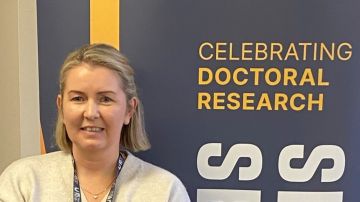
The first seminar of the year was delivered by Dr Claire Doran, who joined the EU-CONEXUS team within FoELL in 2025. Dr Doran is currently Education Co-Lead on the development of a joint masters programme in leadership for sustainable development.
Her seminar, based on her doctoral research in Holocaust education, was entitled Engaged Witnessing: An Ethical Framework for Teaching the Holocaust. The study begins from the reality that we are approaching a time when there will no longer be Holocaust survivors or eye-witnesses alive to share their testimony. In this context, testimonial voices must be encountered and understood through other forms.
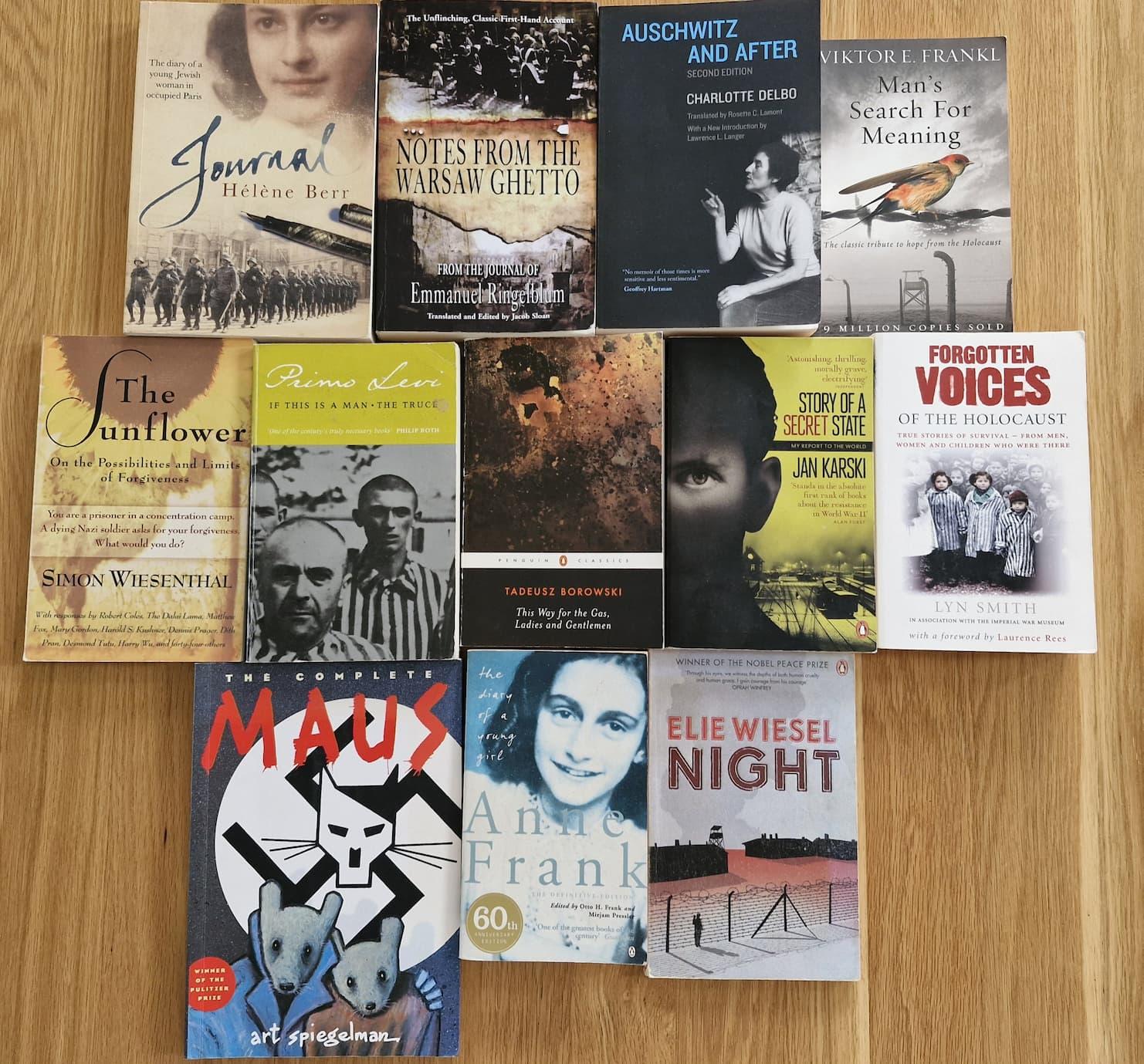
Dr Doran’s research explored testimonial literature through three key texts often used in Holocaust education: Anne Frank’s diary, Elie Wiesel’s memoir Night, and Art Spiegelman’s graphic novel Maus.
She shared insights into her chosen research method, ‘currere’ – an understanding of curriculum as autobiography. This self-reflective approach enabled a deep engagement with the texts, leading to the development of the theory of “engaged witnessing” in the classroom, and to the discovery of the researcher’s own witnessing voice in the process.
What’s next
The next seminar in the series is planned for the end of January.
Tap here find out more about undergraduate and postgraduate programmes in Education at SETU: Education courses at SETU