

Researcher: Tracey Dermody (SETU Department of Nursing and Healthcare)
Challenge:
Advanced Nurse Practitioners (ANPs) and Advanced Midwife Practitioners (AMPs) are required by their professional regulatory body to engage with and lead evidence-based practice and research. The NMBI practice standards highlight that ANPs and AMPs must ‘demonstrate a vision for advanced practice nursing based on a competent expert knowledge base developed through research, critical thinking and experiential learning', 'deliver the best possible safe and competent practice based on the best available evidence and guidance,' and 'take part in approved research or support the research of others, where possible'. Despite these expectations, ANPs and AMPs face significant barriers including limited time, confidence, and access to research training or expertise. The lack of structured support mechanisms restricts their ability to meet regulatory standards and hinders the integration of clinical inquiry and innovation into routine practice.
Impact Summary:
MENTORR is a regional education initiative (conducted in 2024 and 2025, with plans for a 2026 2026 programme) that empowers practicing nurses and midwives with research confidence and competencies. It builds research skills and confidence through protected time, mentorship and digital learning. Nurses and midwives have the opportunity to engage and learn how to design, lead and disseminate research which is relevant to their clinical practice. The programme has increased engagement in research and has improved the quality of care provided to patients. Participants are now actively contributing to the culture of inquiry and research in their individual workplaces. MENTORR has created a strong foundation for sustainable professional development with individual, organisational and societal impact.
"It refreshed my memory on research and how to engage with evidence for practice."
MENTORR participant
Embedding Research into Clinical Roles
A key innovation of the MENTORR programme was the allocation of protected clinical time during the working week, allowing participants to prioritise research alongside patient care “the programme allowed me to refocus on research and prioritise time for research.” This organisational recognition of research as a core clinical responsibility empowered participants to engage fully with the programme and apply their learning to practice.
Participants developed individual research questions, proposals, academic posters, and five-minute pitch presentations to showcase their clinical challenges to a wider nursing, midwifery, and academic audience.
Building Skills, Networks, and Confidence
Pre- and post-programme questionnaires demonstrated measurable improvements in research awareness, skills, and attitudes. Participants reported enhanced capabilities in identifying clinical issues, gathering and appraising evidence, designing studies, and writing proposals. They also built peer support networks, engaged in cross-disciplinary collaboration, and strengthened their professional identity as research-active clinicians.
Feedback reflected renewed enthusiasm and confidence: “Increased awareness of the value of research and the skills needed to deliver it, particularly in IT.” “It refreshed my memory on research and how to engage with evidence for practice.” and “I had never made a poster, so the mentorship helped me gain confidence in a new skill.” Evaluation using the Upton & Upton (2005) EBPQ confirmed improvements in knowledge, skills, and attitudes toward research.
Organisational and Patient Impact
The programme demonstrated the feasibility and value of embedding research within clinical practice, influencing managerial and organisational support for advanced nurses and midwives. By fostering a culture of inquiry, it generated service and practice improvement proposals designed to enhance patient care, safety, and outcomes through evidence-based interventions.
Following participation in the MENTORR 2024 programme, Anne Power implemented new technology to measure bone mineral density in adults with intellectual disability, creating Ireland’s first accessible bone screening pathway. She completed a feasibility study with Trinity College Dublin, presented at the World Congress of Osteoporosis in Rome, and was shortlisted for a Health Care Initiative Award, with national and regional presentations amplifying her work.
Marie Hayden applied her MENTORR experience to develop a nursing home outreach service in Carlow/Kilkenny Integrated Care for Older Persons, contributing to the creation of a standardised national pathway and resources that improve care delivery across the sector.
Michael Mahon progressed his project on physical activity for individuals with moderate to profound intellectual disability, securing collaborations with the HSE Research and Development Unit, regional services, local industry (Killowen Yoghurt), and is developing a business case, reflecting the collaborative, co-design approach fostered through MENTORR.
Overall, MENTORR engaged stakeholders across acute hospitals, maternity services, community mental health, older person services, and intellectual disability services. These collaborations strengthened the regional nursing and midwifery research network, building capacity and distributing the benefits across the South East and beyond.
The MENTORR programme is grounded in the Communities of Practice framework and shaped by national nursing and health policy priorities, including OMNSD Innovation Funding (HSE, 2023), HSE Nursing and Midwifery Research Priorities (2023), HSE Research Strategy (2019), and Digital for Care 2040 (DOH, 2024). The NMBI Code of Conduct (2025) reinforces the central role of research in delivering safe, effective, and evidence-based care.
A regional needs analysis revealed a marked gap in research capacity among senior nursing and midwifery practitioners, despite their professional obligation to engage in and lead evidence-based practice. In response, SETU and the HSE NMPDU co-designed MENTORR to address these barriers. The programme integrates experiential learning, tailored research content, and one-to-one mentorship, providing participants with the tools, confidence, and structure to embed research within their roles.
The pilot demonstrated that a collaborative, practice-based approach can bridge the gap between policy and clinical reality. Outcomes from MENTORR have informed service priorities, strengthened research culture, and built a sustainable peer support network across the region.
Building on this success, MENTORR has expanded, with 18 participants completing the 2025 programme. Future developments include integrating SETU’s Digital Health micro-credential, offering advanced modules in research methods and publication writing, increasing participant numbers, and broadening engagement with healthcare providers and academic partners nationwide.
By continuing to evolve in response to participant and service needs, MENTORR is establishing a sustainable model for developing clinical research capacity and strengthening the impact of nursing and midwifery-led innovation on patient care.
Testimonials
The following participant testimonials reflect the positive impact of the MENTORR Programme on participants professional development and clinical practice:
“Awareness of value of research and the skills needed to deliver it in IT skills”
“I feel it refreshed my memory on research again and how to engage with evidence for practice”
“I had never made a poster, so I felt the mentorship assisted me to become confident in a skill”
“A forum to ask questions and discuss items specific to my role”
“I also felt I wasn't aware of a lot of the other roles, and I was glad to hear their challenges etc. and we had a good group and peer to peer mentorship is always beneficial”
Media
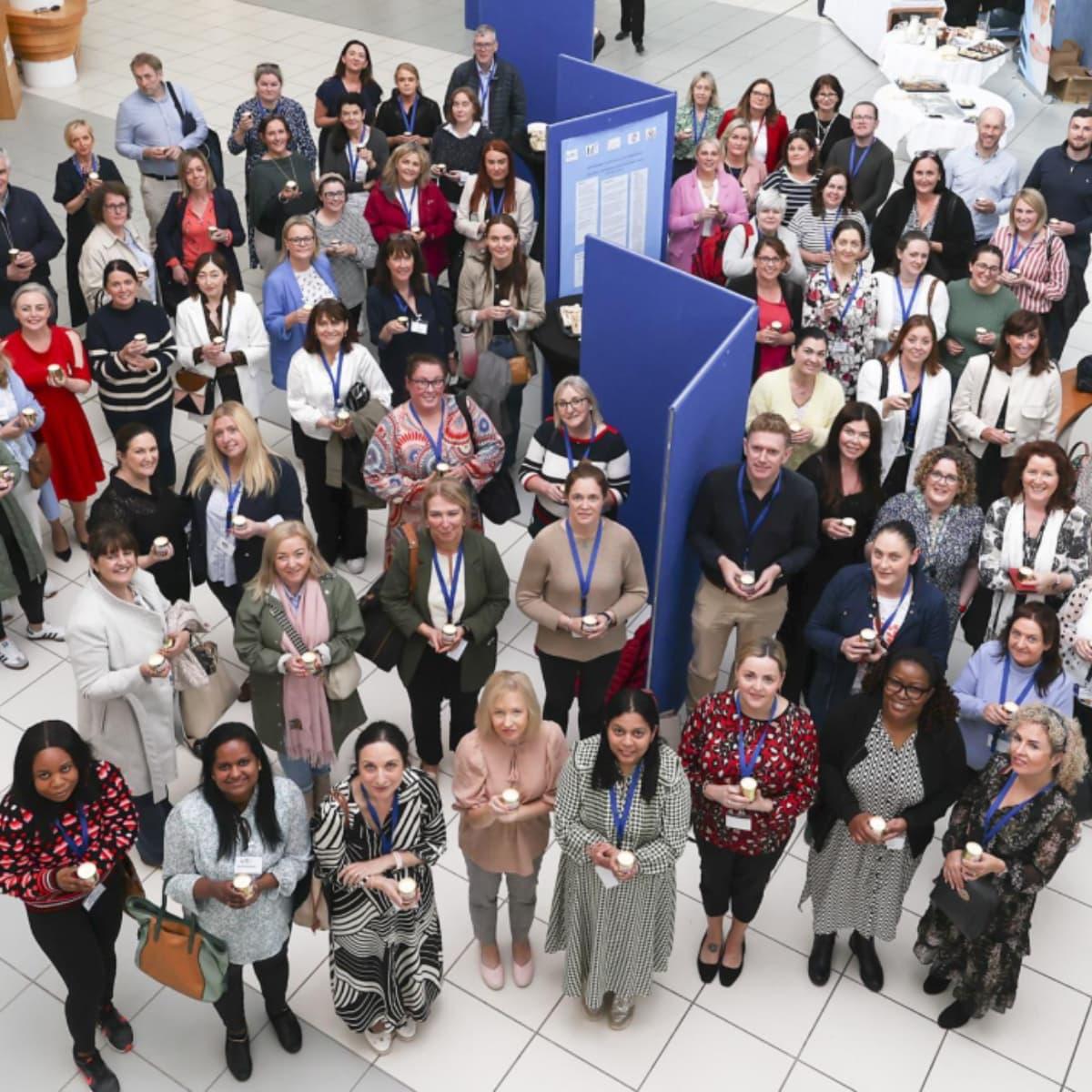
Inaugural Research and Evidence-based Practice Symposium held at SETU
Ms. Charmane Scallan, Dr. Judy Ryan, Director of (NMPDU, HSE); Dr Sara Kennedy (Department of Nursing & Health Care, SETU).
Funding and support from the HSE, NMPDU and SETU.