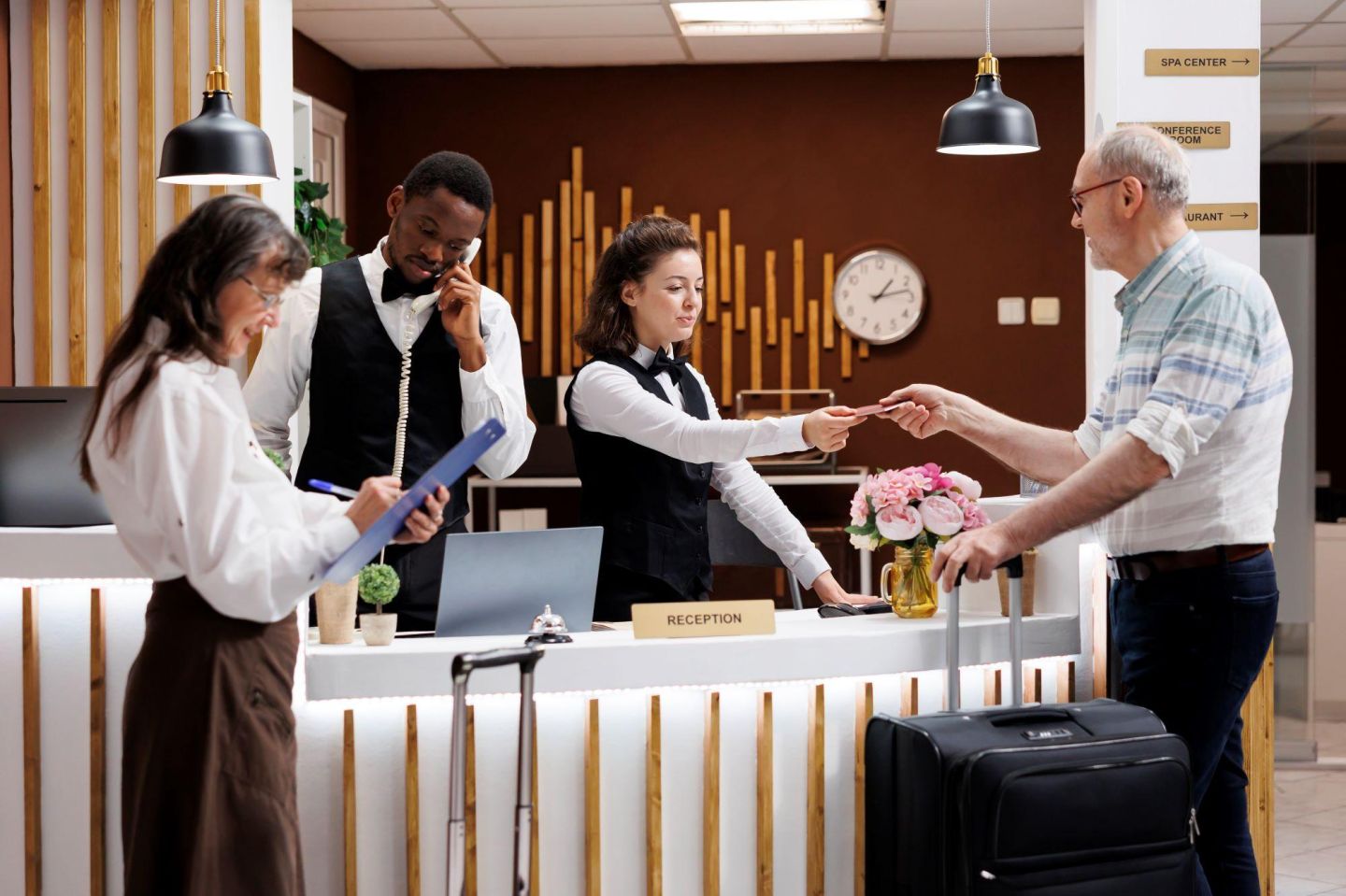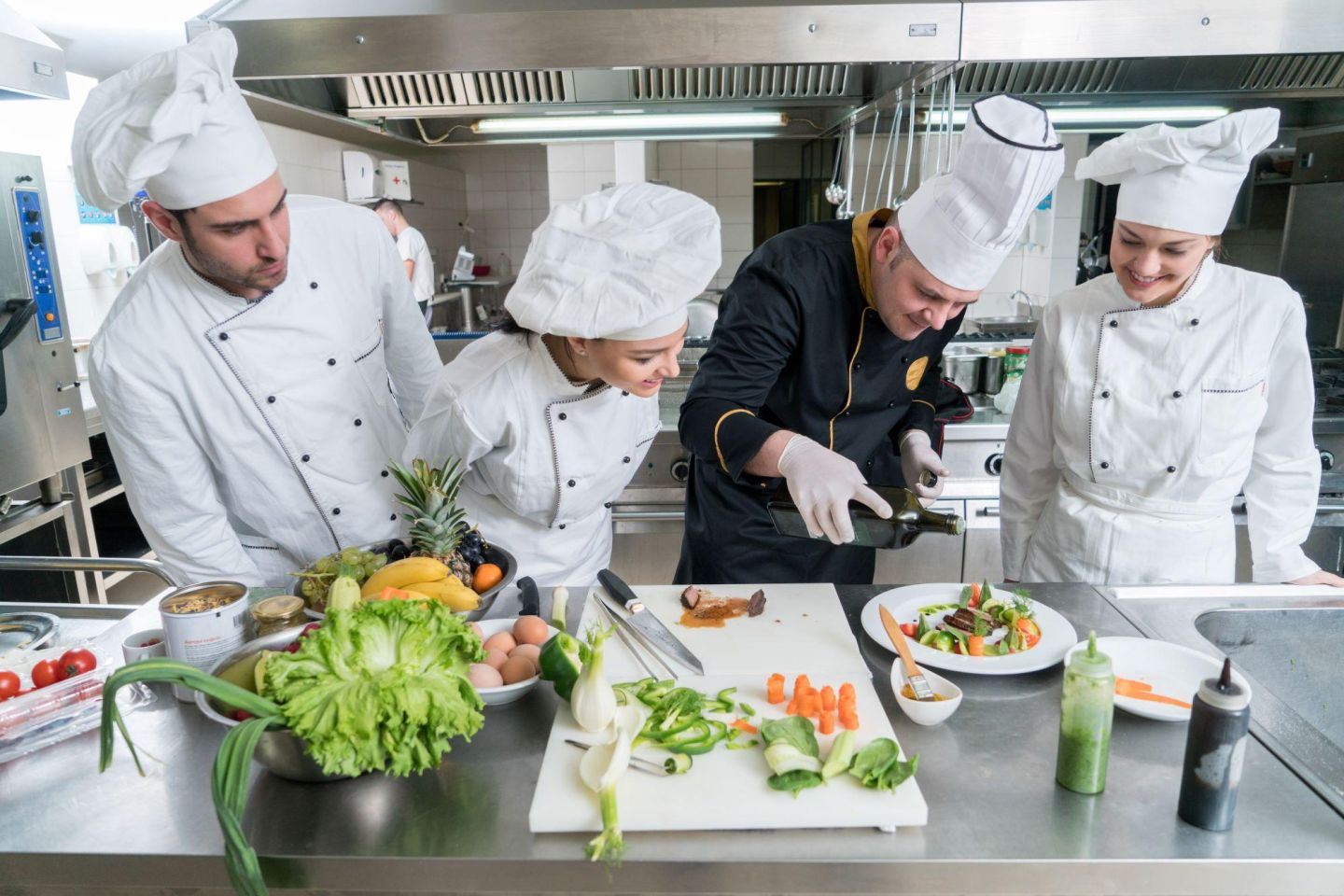
Students of Culinary Arts, Hospitality and Tourism took part in a unique, hands-on learning experience at the Mast Harvest Gastronomic Tourism Networking Event.
Hands on learning
The day was designed to deepen the students’ understanding of how local, seasonal ingredients support sustainability and tourism, aligning with the values of the Green Lab Ambassador Programme. It was supported by Student Activity Fund.
The event welcomed first-year students from the BA in Hospitality and Tourism Services and the BA in Hospitality Management, as well as final-year students from the BA in Culinary Arts.
The programme was coordinated by Eleanor Kent, Head of the Department of Earth Sciences, Shane Scannell, Technician, Eamon Dalton, Estates office, and lecturer Jacinta Greene Beatty. Norbert Thul, lecturer, prepared artisan delights.
Healing properties
The day began with an introduction to the SETU Social and Therapeutic Garden, led by Shane Scannell, where students learned about the healing properties of plants previously tended by other students.
In the afternoon the focus shifted to the Carriganore Walled Garden for a fruit harvest, where participants collected sustainable, seasonal produce. This activity was part of the Mast Harvest concept, which generally refers to the highly successful production of nuts and seeds or, in this case, fruits by trees and shrubs in a specific year, emphasising cyclical and abundant natural systems.
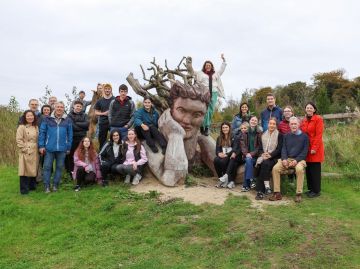
A networking event was held at the Waterford Greenway Biodiversity Area, bringing together students, lecturers, and locals in informal conversations over coffee and tea.
Róisín Sheehy, Irish Officer at SETU, informed the students about Éiru - the Goddess of Ireland, which is represented by a wooden sculpture close to the bio diversity garden.
The Wood Wide Web
This focus on local, interconnected food systems ties into broader ecological concepts discussed during the event, such as the Wood Wide Web.
What is the Wood Wide Web? This is a term used to describe the vast underground network formed by fungal threads (mycorrhizal network) that connects the roots of trees. This hidden communication system allows trees to exchange vital nutrients and information, supporting forest survival, resilience, and highlighting the concept of interconnected, cooperative natural communities—a parallel to strong, local food communities.
Impact
This event served as an excellent example of experiential learning, offering students insight into gastronomic tourism, sustainable agriculture, and green innovation. It provided a valuable opportunity for professional networking, which is increasingly relevant as local food systems and climate-conscious tourism gain importance.
The organisers wish to express their gratitude to Shane Scannell for the therapeutic garden tour, Eamon Dalton for essential logistical support, and lecturers Norbert Thul and Jacinta Greene Beatty for mentoring the students. Special thanks to George Goulding for professionally capturing the atmosphere and events of the day through his photography.