
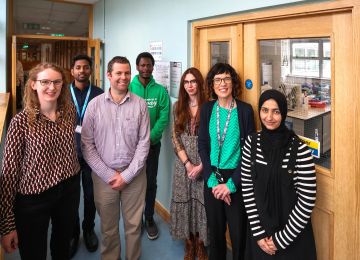
SETU’s Pharmaceutical and Molecular Biotechnology Research Centre (PMBRC) is delighted to announce that the Organic Synthesis Laboratory has retained its Green Level Certification with My Green Lab.
The certification is now verified by Impact Laboratories. This is the highest level of recognition for sustainable laboratory practices worldwide.
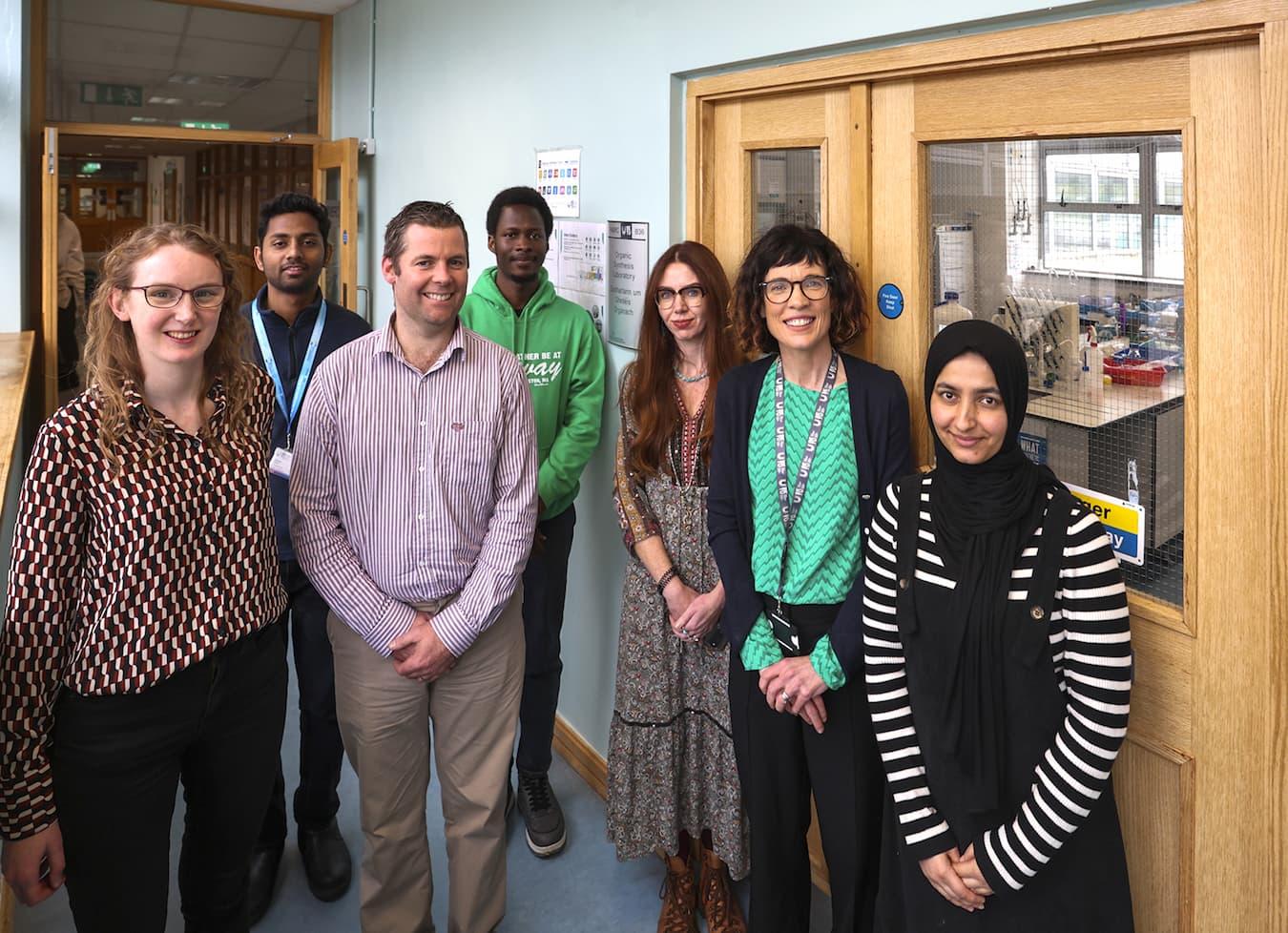
This certification reflects the lab’s continued commitment to reducing the environmental impact of its research. This work in the Organic Synthesis Lab demonstrates that meaningful progress in sustainability can be achieved through collaboration, innovation, and shared responsibility.
“Postgraduate researchers have worked hard on the ground to ensure that the aspects we have control over are as sustainable as possible. From small procedural adjustments to rethinking how we design experiments; every step contributes to reducing the lab’s environmental footprint. It’s been a real team effort.”
Dr Tracey Coady, Green Lab Lead in the PMBRC.
"We are delighted to get renewal of our Green Lab accreditation this year. Over the past two years, we have worked hard to embed sustainability into our day-to-day lab practices and make incremental improvements in our operations. This is an ongoing process which has been embraced by our students and staff, and we look forward to continuing this work into the future."
Dr Niall O'Reilly, PMBRC Centre Manager.
Researchers in the lab actively embed green and sustainable practices into their day-to-day work, from reducing energy use and minimising waste to improving recycling and resource efficiency. These practices support ongoing research in biocatalysis and novel sustainable solvents allowing cleaner reactions; and flow chemistry improves safety and resource use. Meanwhile, PET bio-degradation helps turn plastic waste into reusable materials. Together, these innovations make research more efficient and environmentally responsible.
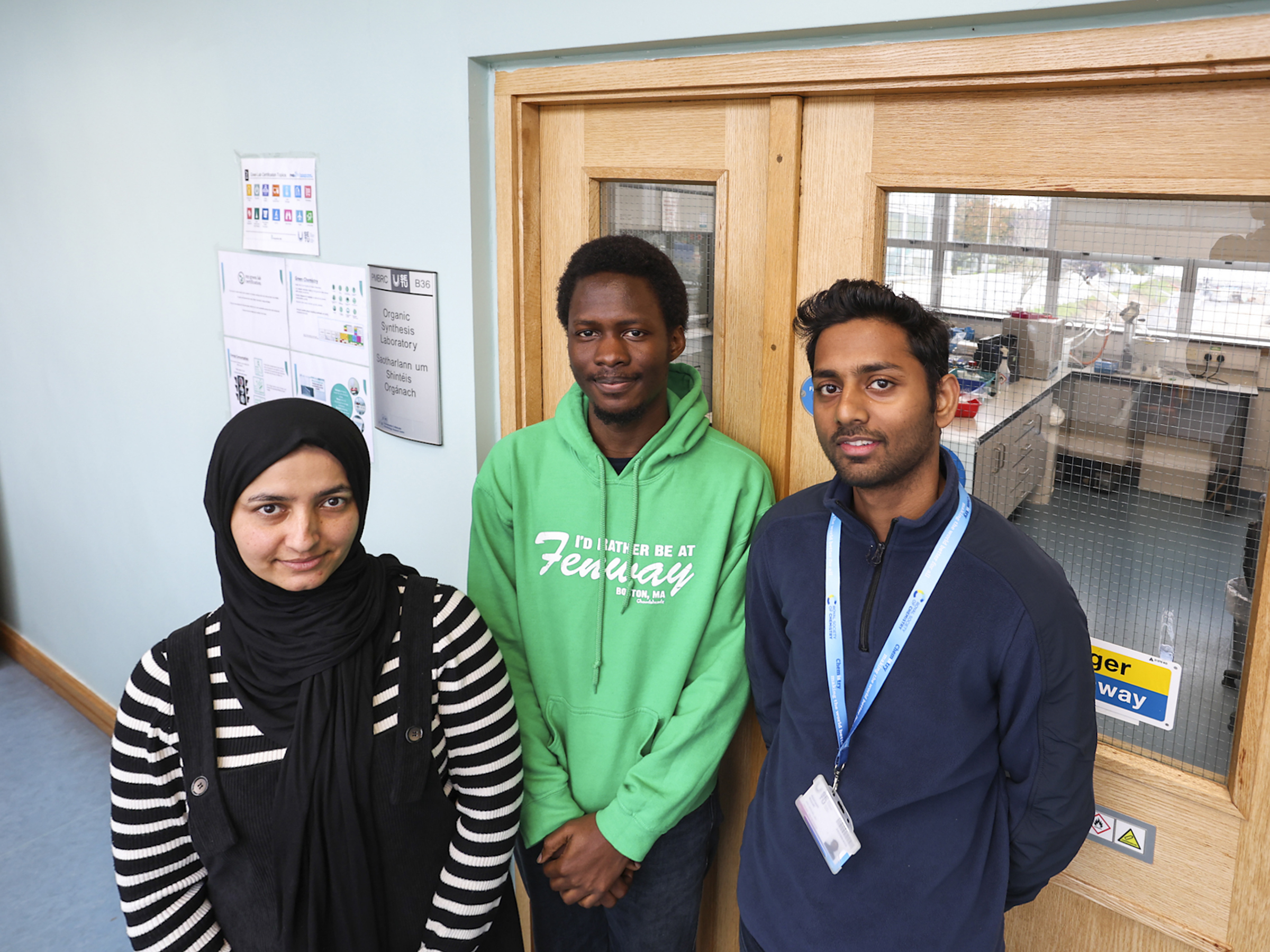
Postgraduate researcher, Abinash Nayak, GreenLab Ambassador for the laboratory, reflected on the broader importance of sustainability in research culture, saying, “Sustainability in a green lab is not only about reducing, recycling, and reusing, it’s about building a culture for a responsible tomorrow.”
Retaining Green Level Certification, verified by Impact Laboratories, reaffirms the lab’s commitment to embedding sustainability into all aspects of its research and aligns closely with SETU’s broader vision for a greener, more responsible university community.
“It was nothing short of a pleasure in supporting the Organic Synthesis Lab B36 for their progression through the My Green Lab Certification programme. Green Level re-certification on the new 2.0 iteration of the programme is a milestone that reflects SETU’s commitment to sustainability, scientific excellence, and continuous improvement.
This re-certification achievement underscores SETU’s dedication to reducing their environmental footprint while creating a more sustainable research environment. This demonstrates how meaningful progress can be achieved when innovation and environmental stewardship work hand in hand.”
Jack O’Grady, Director of Certifications at Impact Laboratories.
SETU’s Department of Science, Department of Pharmacy, and the PMBRC are working together to embed principles of green and sustainable science into laboratory teaching and operations at both undergraduate and postgraduate levels.