


SETU has launched a TU Rise sabbatical with UPMC and Carlow GAA to study composite training in youth athletes, advancing strength and conditioning research and regional collaboration.

A collaborative research partnership
SETU has announced a new research partnership as part of a TU Rise sabbatical. The initiative brings together UPMC Sports Medicine and Carlow GAA to support an applied study exploring the impact of composite training - a combination of plyometric jump exercises and sprinting - on physical fitness and muscle architecture in youth Gaelic Games athletes.
Karen Mullins and John Windle from UPMC, along with Richard Hitchcock and Peter McConnon of Carlow GAA, joined SETU staff to officially launch the collaboration and highlighted the significance of the research for youth athlete development.
Advancing Strength and Conditioning Research
The sabbatical has been designed to strengthen SETU’s research capacity while providing valuable support to enterprise partners. Composite training developed during earlier doctoral research combines a plyometric exercise with an explosive movement, such as a short sprint, within a single repetition or integrated training session.
Although this approach is still emerging in academic literature, early findings suggest it can have a positive impact on athletic performance. The sabbatical provides an opportunity to build the evidence base, enhance research output, and support the implementation of innovative training practices across regional sports and health organisations.
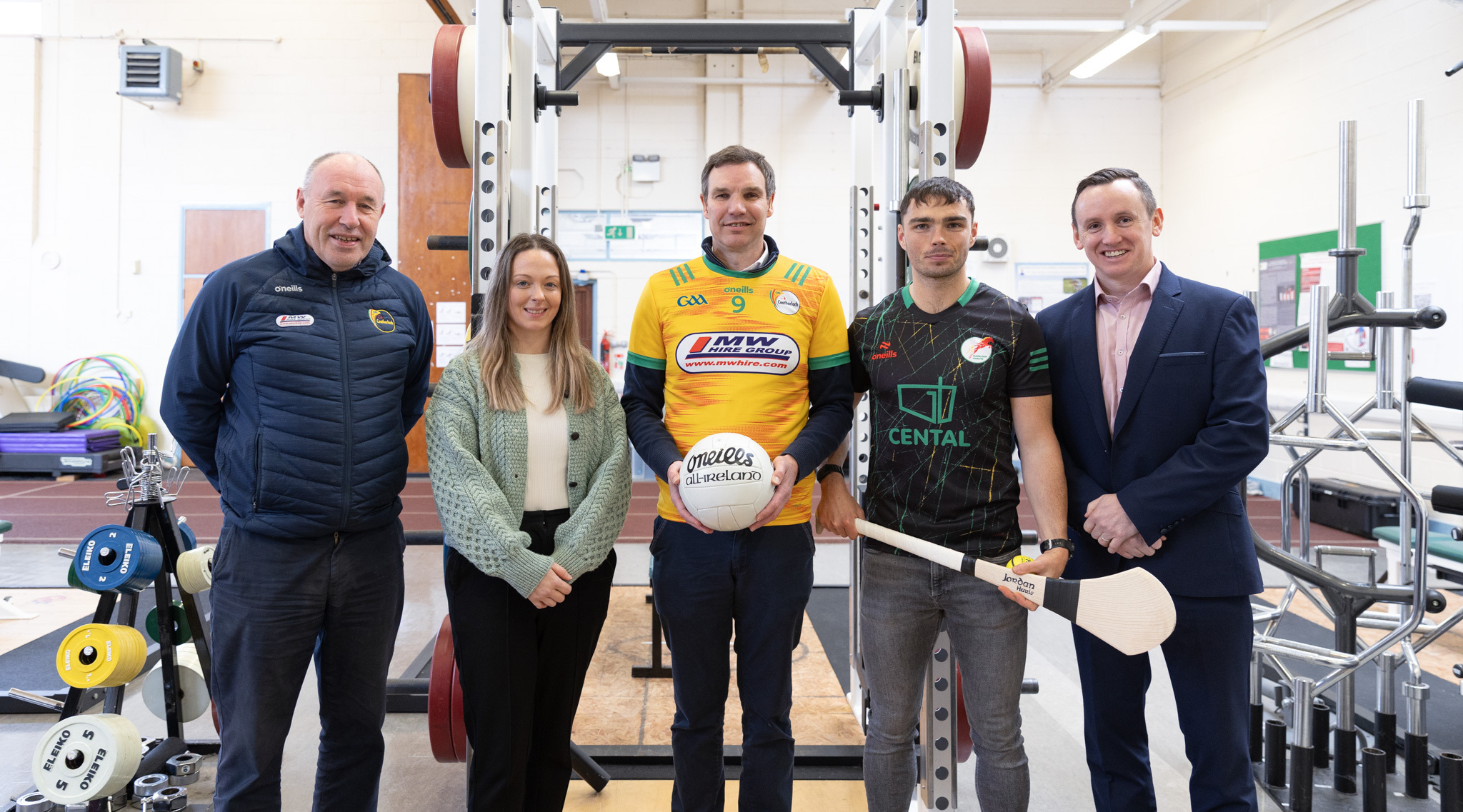
"I’m honoured to begin my SETU TU Rise research sabbatical, partnering with UPMC and Carlow GAA to study how combining plyometric jumps with sprint training can enhance performance in male youth academy GAA players. This collaboration advances strength and conditioning research while strengthening community and athlete support."
Dr Paul Byrne Lecturer, Department of Health and Sport Sciences.
Composite training matters for performance
UPMC and Carlow GAA are committed to training methods that enhance performance while prioritising athlete health. Composite training supports these aims, combining a low external load with short, 25-minute sessions using the athlete’s own body weight.
Research to date indicates benefits including increased maximum strength, improved jumping ability, faster sprint speed, and a reduced risk of injury. These features make composite training a practical and effective method for youth athletes and coaches aiming to improve performance while minimising injury risk.
A focus on youth Gaelic Games players
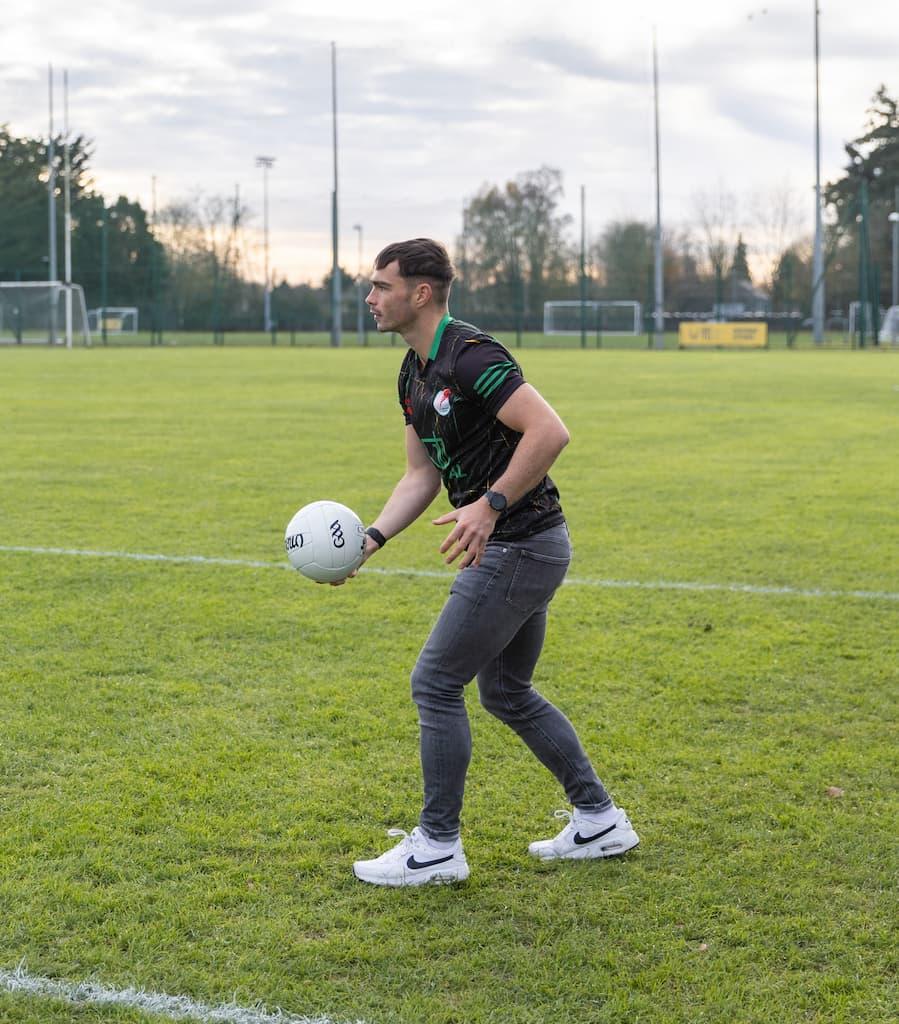
The research will involve a 12-week training intervention with U15 male Gaelic football and hurling academy players from Carlow GAA. Athletes will take part in detailed assessments of balance, jumping, sprinting, and changes in muscle structure. The findings are expected to shed new light on how combined explosive training affects developing players and will help shape best practice in long-term player development programmes.
A vision for long-term impact
This sabbatical represents an important step in strengthening SETU’s links with regional enterprise partners. Bringing together SETU’s academic expertise and the practical needs of UPMC and Carlow GAA, the project is designed to produce high-quality research that supports both performance enhancement and community wellbeing. The collaboration reflects a shared commitment to innovation, evidence-based practice, and the ongoing development of youth athletes across the region.
This research is co-financed by the Government of Ireland and the European Union through the ERDF Southern, Eastern and Midland Regional programme 2021–27 and the Northern and Western Regional programme 2021–27 as part of the TU RISE programme at SETU.
