

With over two decades' experience, SETU graduate David Caffrey, based at Smartply Europe DAC, has built a career that traces the growing importance of integration in modern manufacturing and cybersecurity.
David completed the Master of Science in Industrial Networks and Cybersecurity at SETU, describing the programme as timely and closely aligned with the evolving needs of the manufacturing sector. With over 20 years of experience in operational technology (OT) within the timber manufacturing industry, he has extensive experience in industrial systems and automation, noting that rapid digital transformation has made further study increasingly relevant.
Bridging industrial systems and cybersecurity
One of the most valuable aspects of the programme, according to David, was its ability to connect theory with practice across all areas of the course. “My favourite aspect was the way the programme fused together industrial control systems, industrial networking, python programming and cybersecurity into one cohesive learning experience,” he said. “Cybersecurity became the thread that tied everything together.”
He added that the course helped him better articulate and formalise knowledge gained through years of practical experience, particularly in understanding how cyber threats target operational technology environments.

“This programme particularly stood out to me as it was directly relevant to my work, being designed specifically for professionals already working in industry. It was built for people like me, allowing me to build on my existing experience and apply it directly to real industrial challenges. For me, it wasn't just the right course. It was the right course at exactly the right time.”
David Caffrey SETU Graduate
Blended learning and industry relevance
David’s industry background started with an electrical apprenticeship at Diageo Guinness Brewery in St. James Gate Dublin. He is currently Lead Process Automation Technician at SmartPly Europe DAC in Waterford part of the Medite Smartply panel products group.
Balancing full-time work in manufacturing with postgraduate study was made possible through the programme’s flexible blended delivery format, allowing David to continue progressing academically while meeting his professional commitments.
He highlighted the blended learning approach as key to managing both successfully, noting that it remained high in quality while offering the necessary flexibility. He also praised the lecturers for their strong industry experience and the practical relevance they brought to each module.
Collaboration and applied learning
A key highlight of the programme was the strong peer learning environment, with students from diverse industry backgrounds sharing insights and experience. “The peer learning and community among fellow students was something I hadn’t expected, and it added enormous value to the experience,” he said.
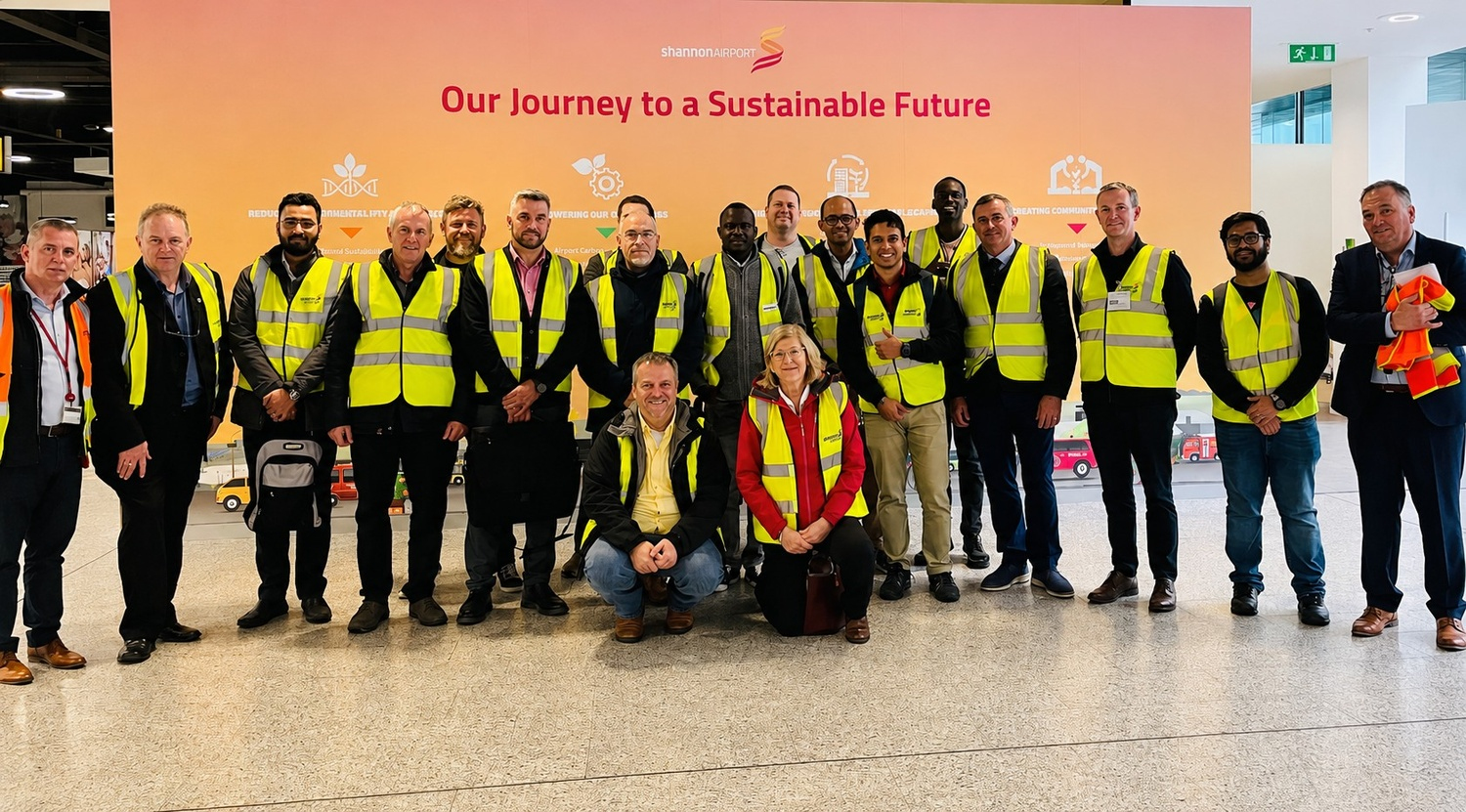
One of the standout elements of the course was a group cybersecurity project completed for Shannon Airport Authority (SAA), which simulated a real-world industrial assessment. He said, “It was a brilliant experience. Each member of the group was responsible for a different part of the cybersecurity assessment, and it only came together when all the pieces were combined.”
Looking ahead
David remains highly motivated by the ongoing developments in the manufacturing sector, particularly the increasing integration of informational technology (IT) and operational technology (OT) systems. “The smart factory of the future depends on collaboration between IT and OT. Cybersecurity can no longer be seen as purely an IT responsibility.”
According to him, ongoing opportunities in the field continue to emerge as industrial systems become more connected and data-driven, with cybersecurity playing an increasingly central role in protecting critical infrastructure.