
Two-stage smart, portable water purifier with advanced filtration, automation, and real-time monitoring to improve global water access.
SETU and Makerere University, in collaboration, lead the main stages of the project, giving students hands-on experience while advancing innovative water purification solutions.
A structured two-stage development framework
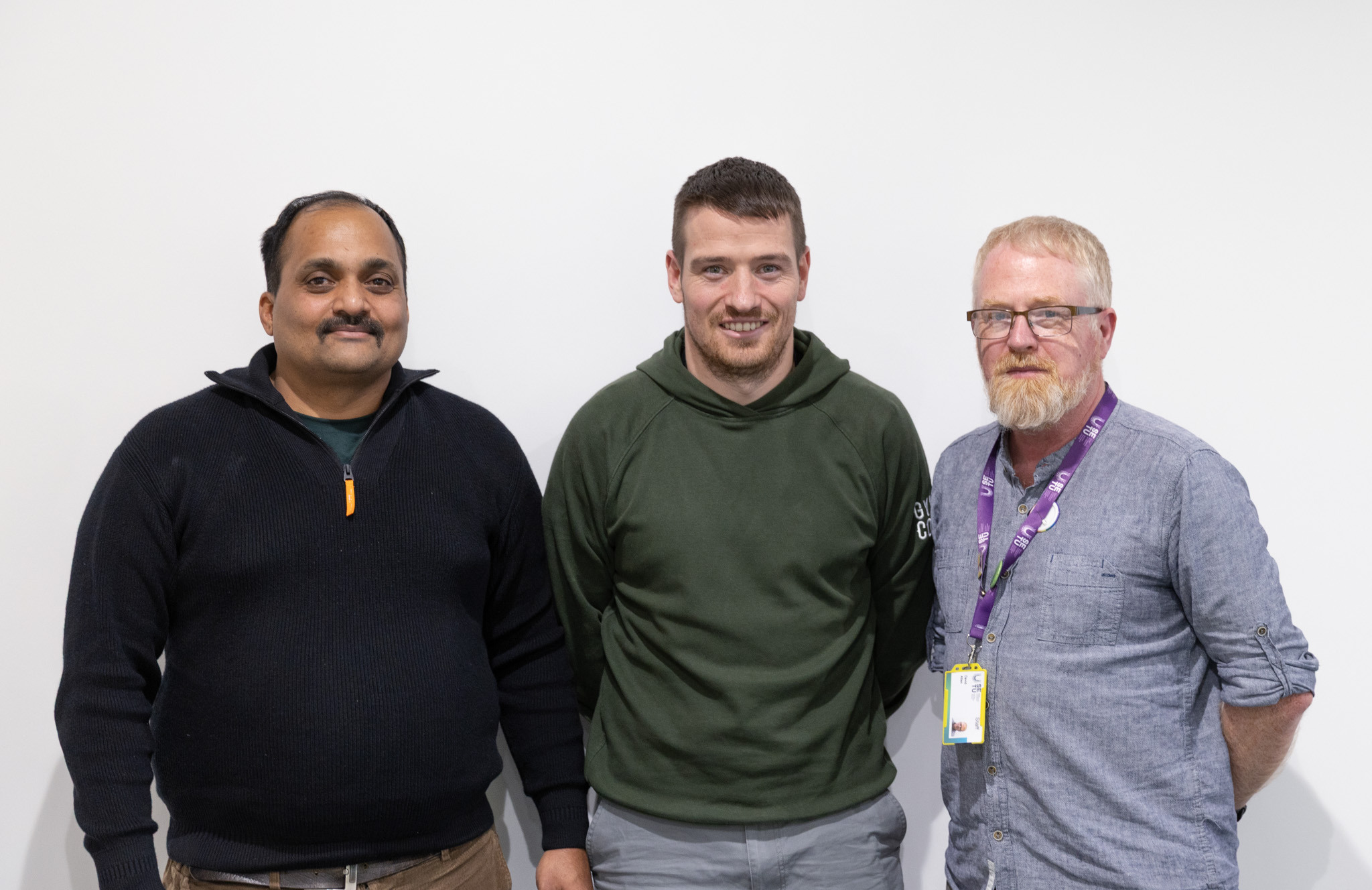
The Smart Portable Water Purification System (SPWPS) is based on a carefully coordinated, two-stage development process shared between the two partner institutions. The project is overseen by SETU’s supervisory team, including Dr Diarmuid O’Briain, Dr Arun Sankar M S, and Keith Smyth, alongside faculty members from Makerere University, Dr Jonathan Serugunda and Dr Abubaker Waswa. Their combined guidance upholds scientific standards with practical value and continuous innovation throughout the development cycle.
Makerere University’s Stage 1 team focuses on establishing a dependable filtration system designed to improve the quality of water intended for general, non-potable use. This stage concentrates on removing sediments and larger contaminants, providing a solid foundation for the final purification process.
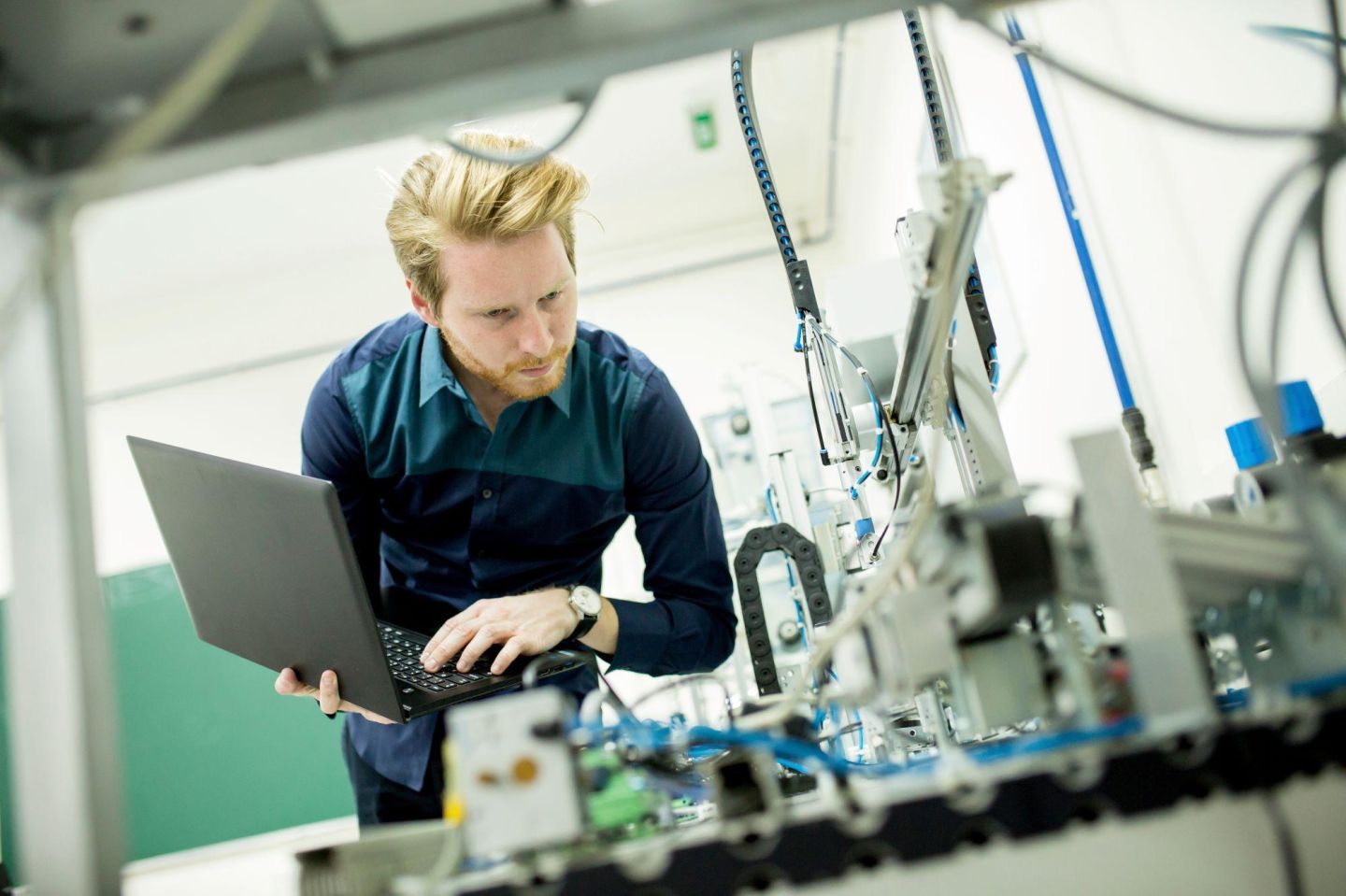
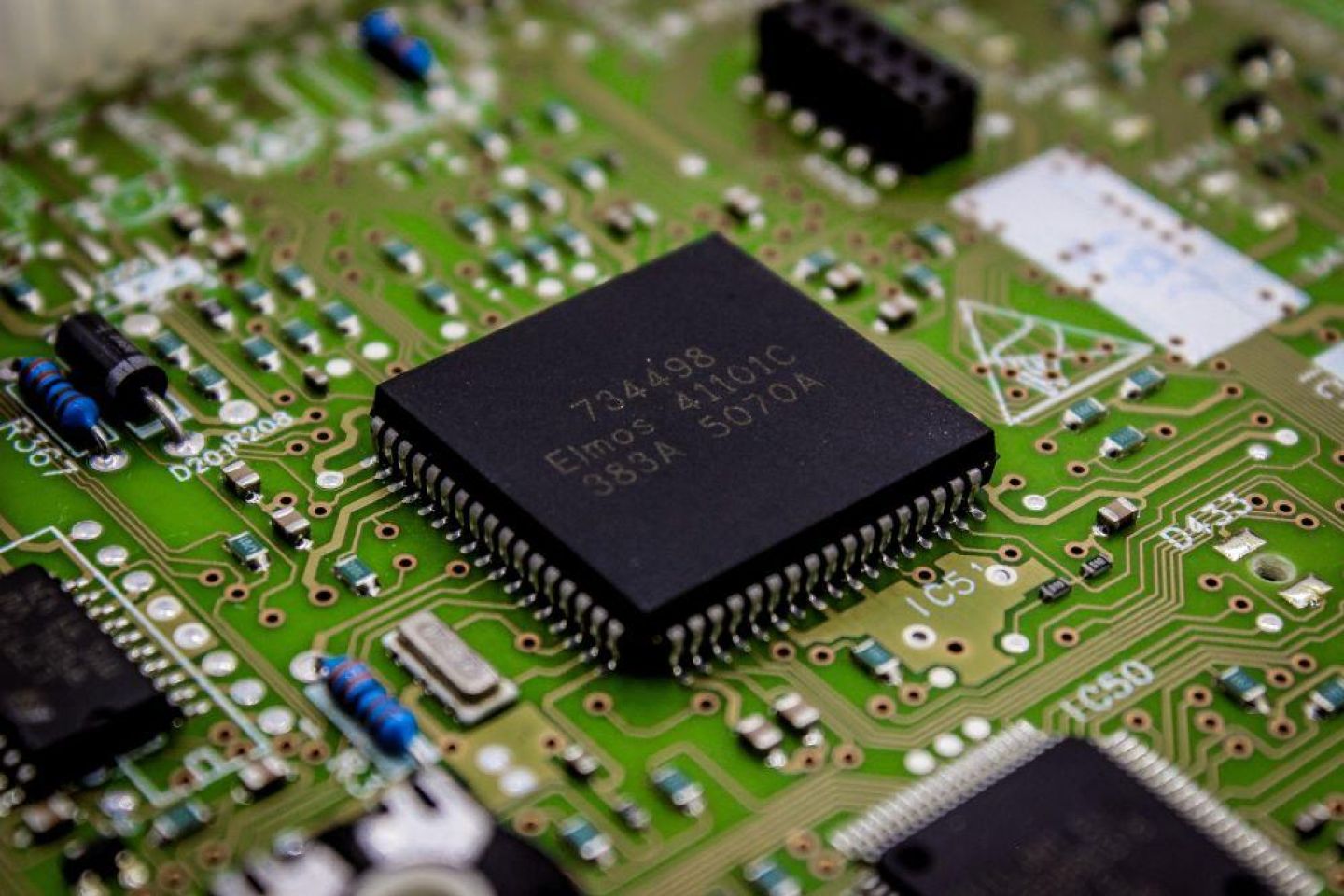
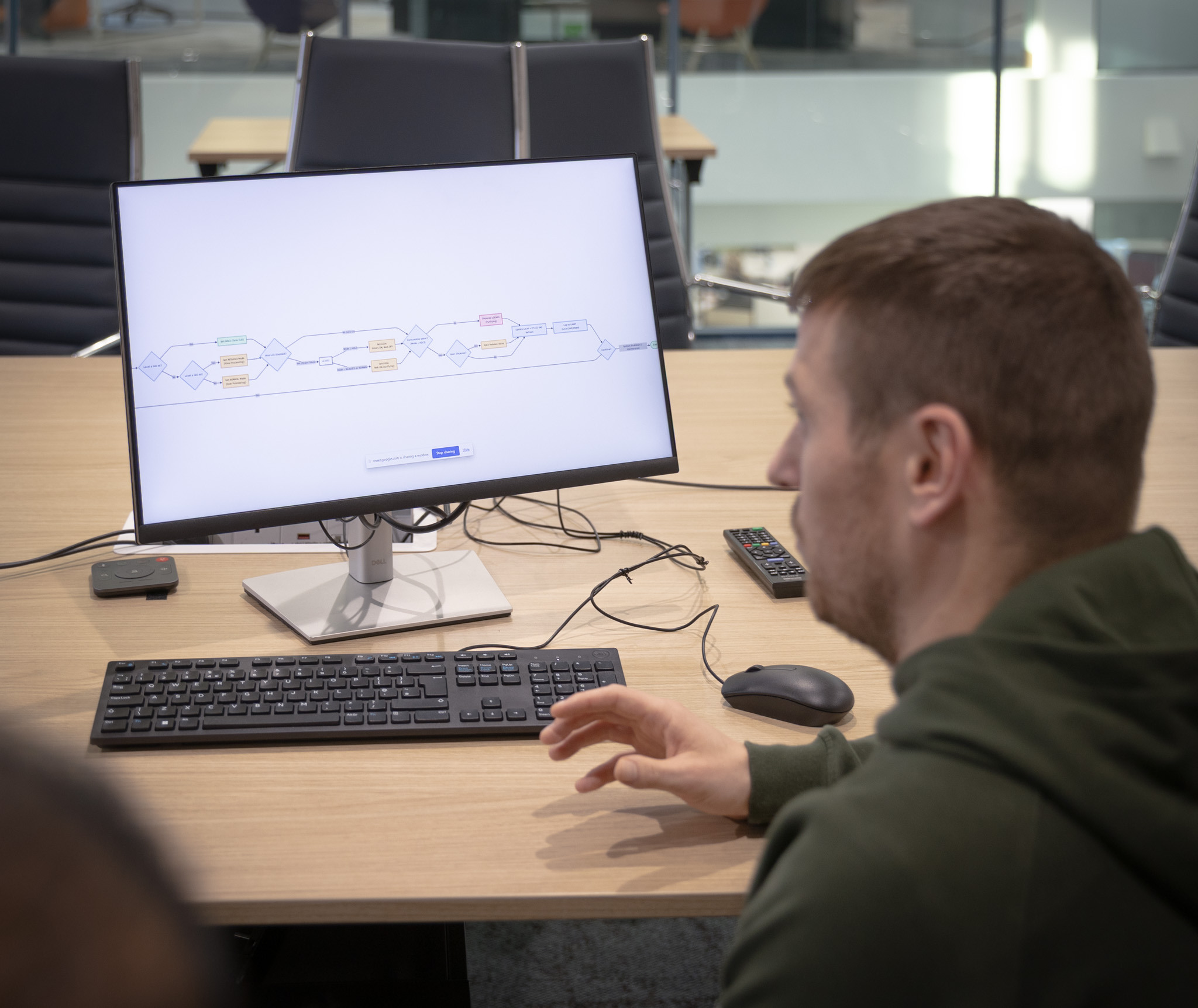
Stage 2, headed by SETU, integrates advanced purification mechanisms with a smart monitoring and electronic control system. This system features microcontrollers, water-quality sensors, and intelligent power-management functions designed to maximise operational efficiency. A key innovation of the device is its safety-focused automation: it treats and dispenses water only when all monitored parameters confirm it is safe to drink. When idle, the unit switches to a low-power mode, conserving energy and improving suitability for remote or resource-limited settings.
Technological impact and engineering significance
The project marks a significant step forward in water-treatment solutions by combining established purification techniques with digital intelligence. Its portable structure, enhanced capabilities, and energy-optimised design make it particularly well suited to real-world conditions, including natural disasters, humanitarian response efforts, and communities with limited infrastructure.
Beyond its technical achievements, the project demonstrates a strong commitment to international academic collaboration. Students and staff from both universities work together across cultures, drawing on varied expertise while strengthening communication, project management, and collaborative problem-solving key skills required in the global engineering sector.
Future outcomes
The initiative is expected to deliver a fully functional prototype of real-time purification and continuous water-quality monitoring, highlighting the performance of an integrated smart purification system. It will also generate practical insights into managing remote, cross-institutional teamwork, and strengthening complex engineering projects.
Furthermore, the collaboration will strengthen technical expertise, foster knowledge exchange, and contribute to the development of scalable solutions for global water-access challenges. SETU will lead the setup phase in Ireland, providing practical, hands-on experience in system integration, calibration, and initial testing - shaping the next step in innovation.