SETU advances biomedical technology education focusing on new techniques in the field of microimaging, offering hands-on, sustainable, and inclusive STEM learning for Year 1 and 2 students.
Advancing sustainable learning through innovation
The workshop was organised by Dr Haider Al-Juboori and Dr Christopher Kufazvinei, lecturers at SETU to promote innovation and sustainability in science education through its workshop, “Integrating frugal microimaging innovation into biomedical electronics education: advancing experiential and sustainable learning.”
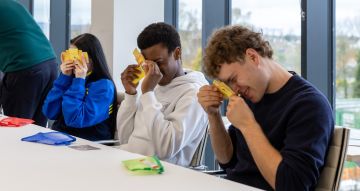
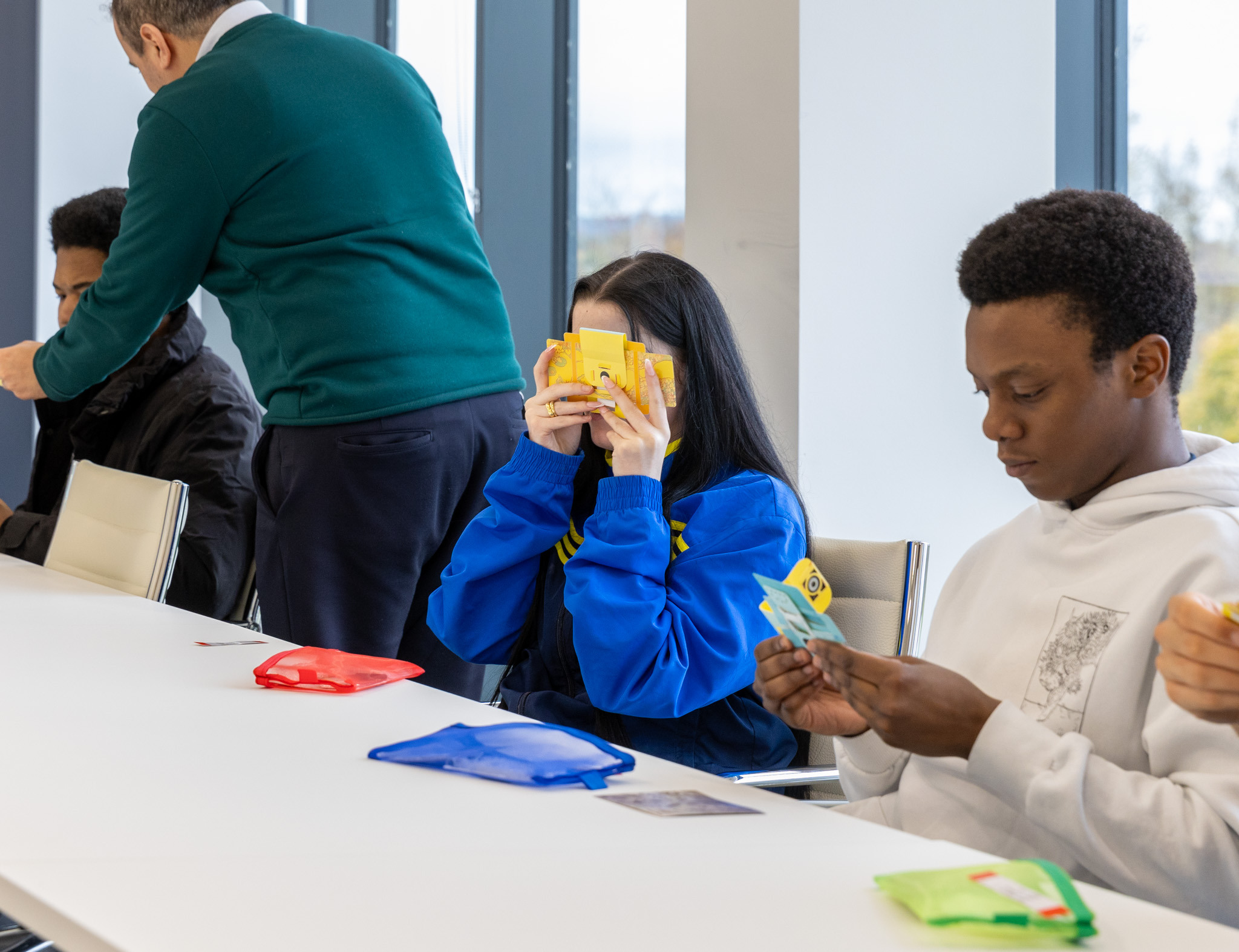
The workshop invited Year 1 and Year 2 biomedical electronics students to participate in hands-on activities that blended sustainability, technology, and creativity in scientific exploration.

Broadening access to biomedical technology education
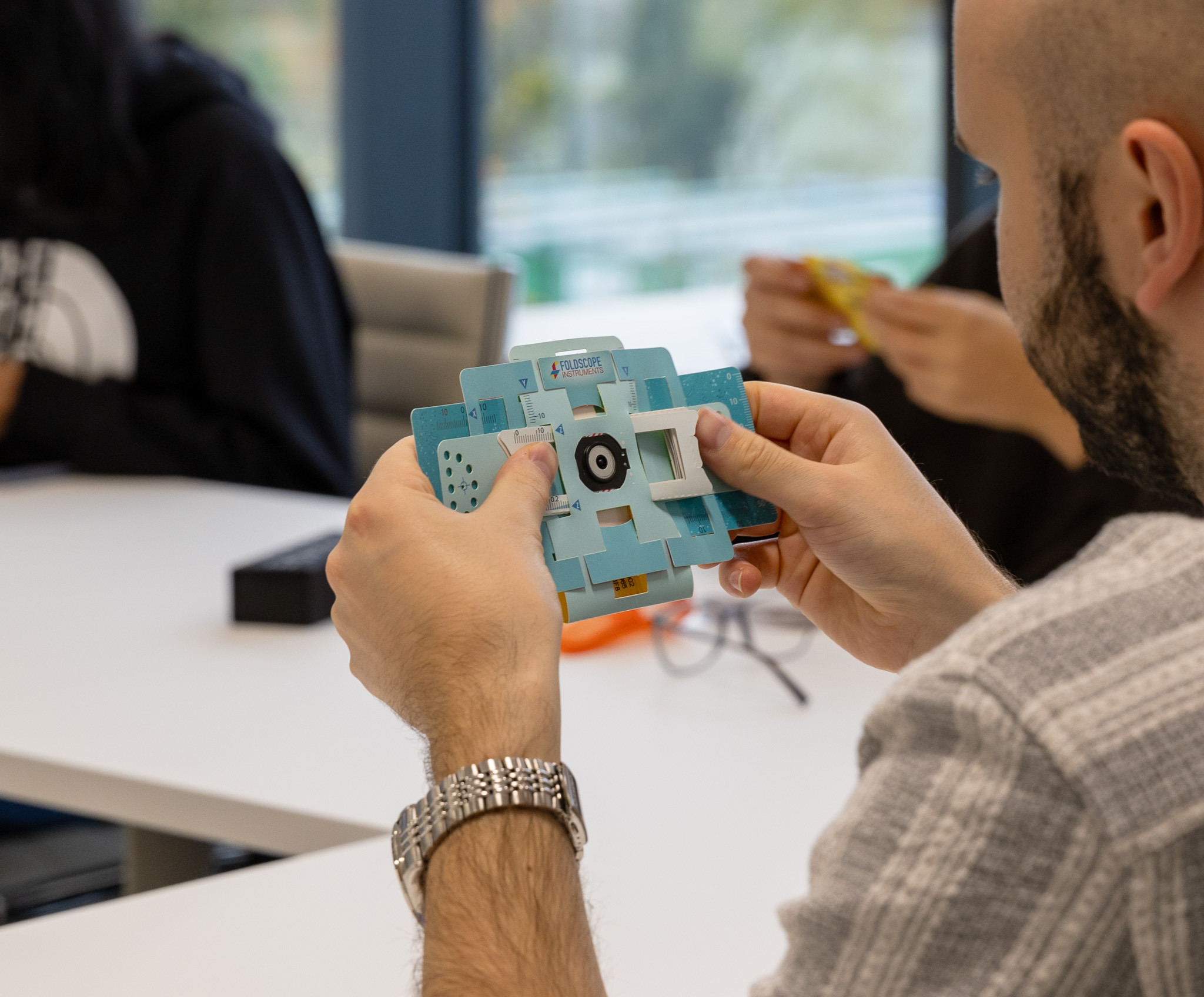
Biomedical technology education had traditionally relied on costly laboratory equipment and conventional microscopy, which often limited access to practical learning opportunities. To address this, the workshop introduced low-cost microimaging tools, including the Foldscope, providing an innovative alternative that enhanced accessibility and sustainability in STEM education.
The Foldscope, a paper-based microscope developed through frugal innovation, demonstrated how affordable technology could make advanced learning more inclusive. By incorporating such tools, SETU promoted equitable science education, ensuring that all students could actively engage in experimentation and discovery.
Practical learning for aspiring engineers
The two-hour workshop featured interactive demonstrations and practical experiments, allowing students to explore how microimaging technologies supported biomedical engineering learning. The sessions were conducted in order, beginning with Year 1 students and followed by Year 2.
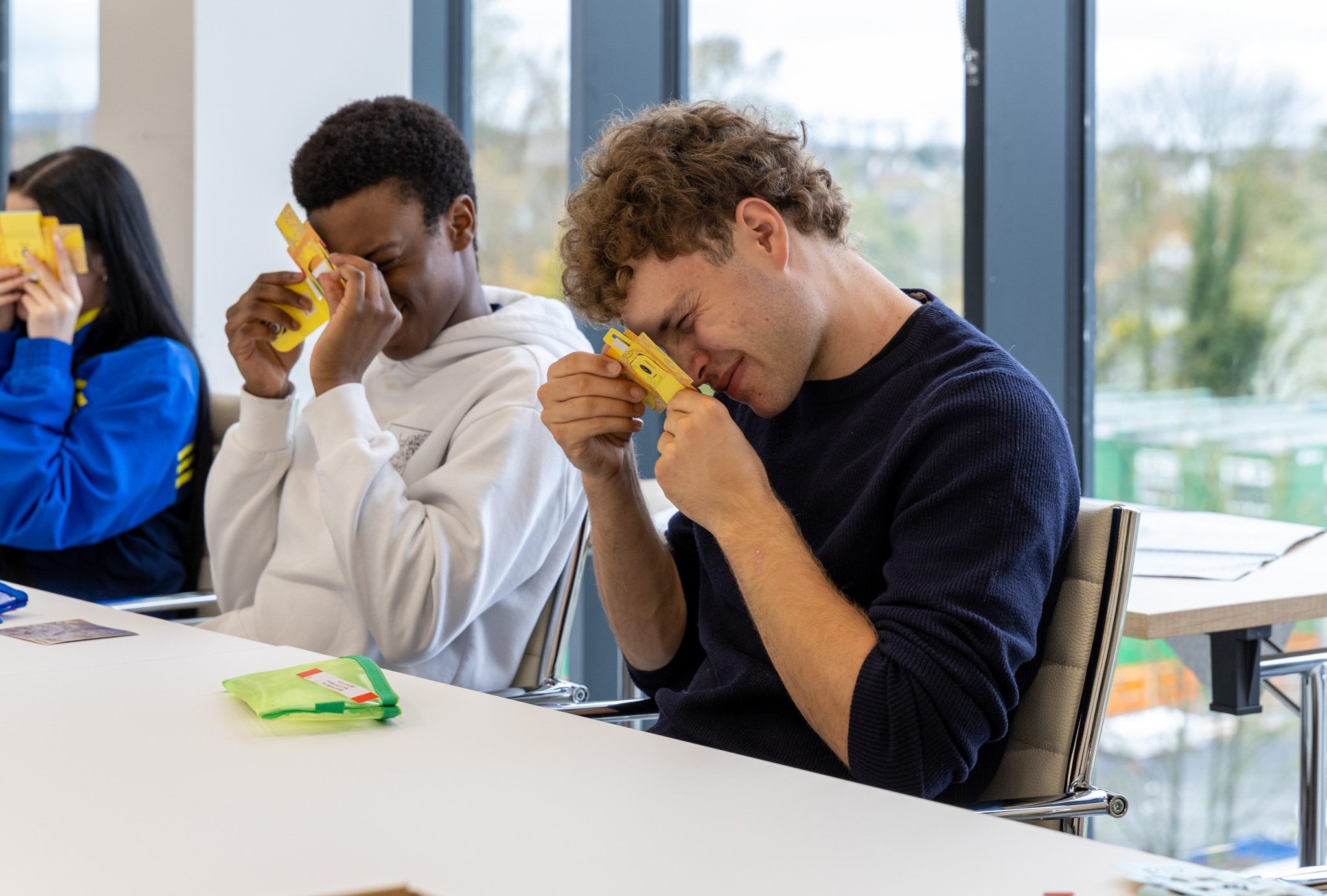
Using the Foldscope, students observed biological samples and electronic components, connecting theory with real-world practice. This experiential learning approach encouraged curiosity, problem-solving, and technical skill development - essential attributes for future engineers and innovators.
SETU’s sustainable STEM learning
Beyond introducing a new learning tool, the initiative highlighted the role of affordable innovation in advancing sustainability and global education goals. It demonstrated that impactful discoveries can emerge from accessible, low-cost solutions, inspiring students to think creatively about addressing global challenges through science and technology.
The workshop highlighted SETU’s commitment to transformative, hands-on, and sustainability-focused learning. By integrating frugal technologies into biomedical electronics education, SETU continued to empower students to become leaders in sustainable innovation and inclusive scientific progress.