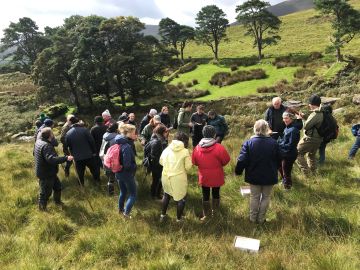
SETU staff took part in the latest Biodiversity and Sustainability Forum with a field visit to the Comeragh Mountains, meeting local sheep farmers to discuss how to balance biodiversity protection with viable rural livelihoods.

SETU staff and members of regional stakeholder organisations met members of the Teagasc Waterford Hill Sheep Discussion Group, who shared first-hand perspectives on farming in high nature value (HNV) landscapes. Farmers outlined day-to-day challenges alongside opportunities for collaboration, including integrating research that supports both biodiversity and the future of hill sheep farming.
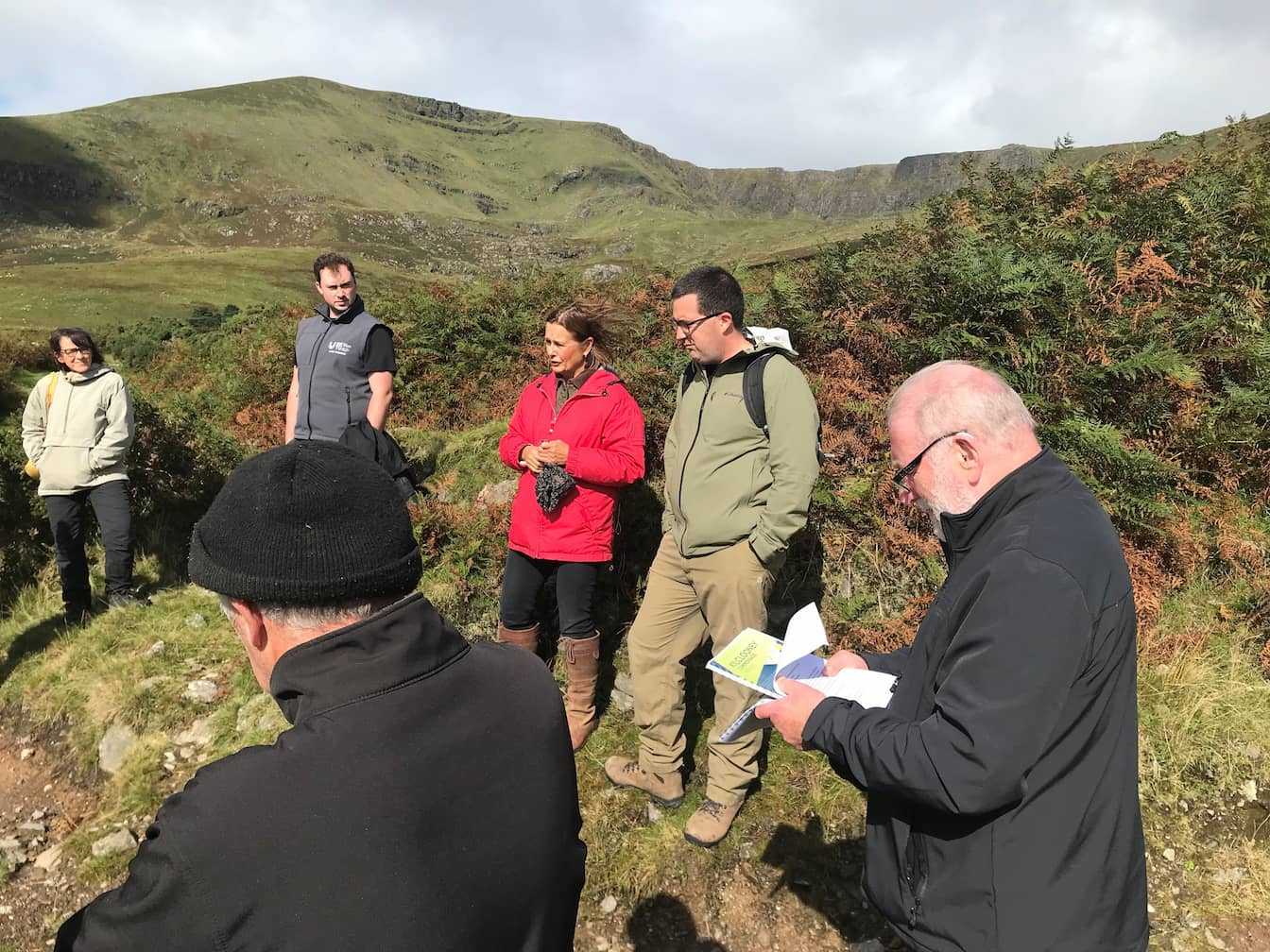
The discussion was guided by Catríona Foley of Teagasc, Owen Carton, agri-environmental consultant, and discussion group chairman Dick Guiry. It was enriched by Catherine Keena, Teagasc Countryside Management Specialist, who provided context on biodiversity ratings in the mountains and practical measures that can make a difference on the ground.
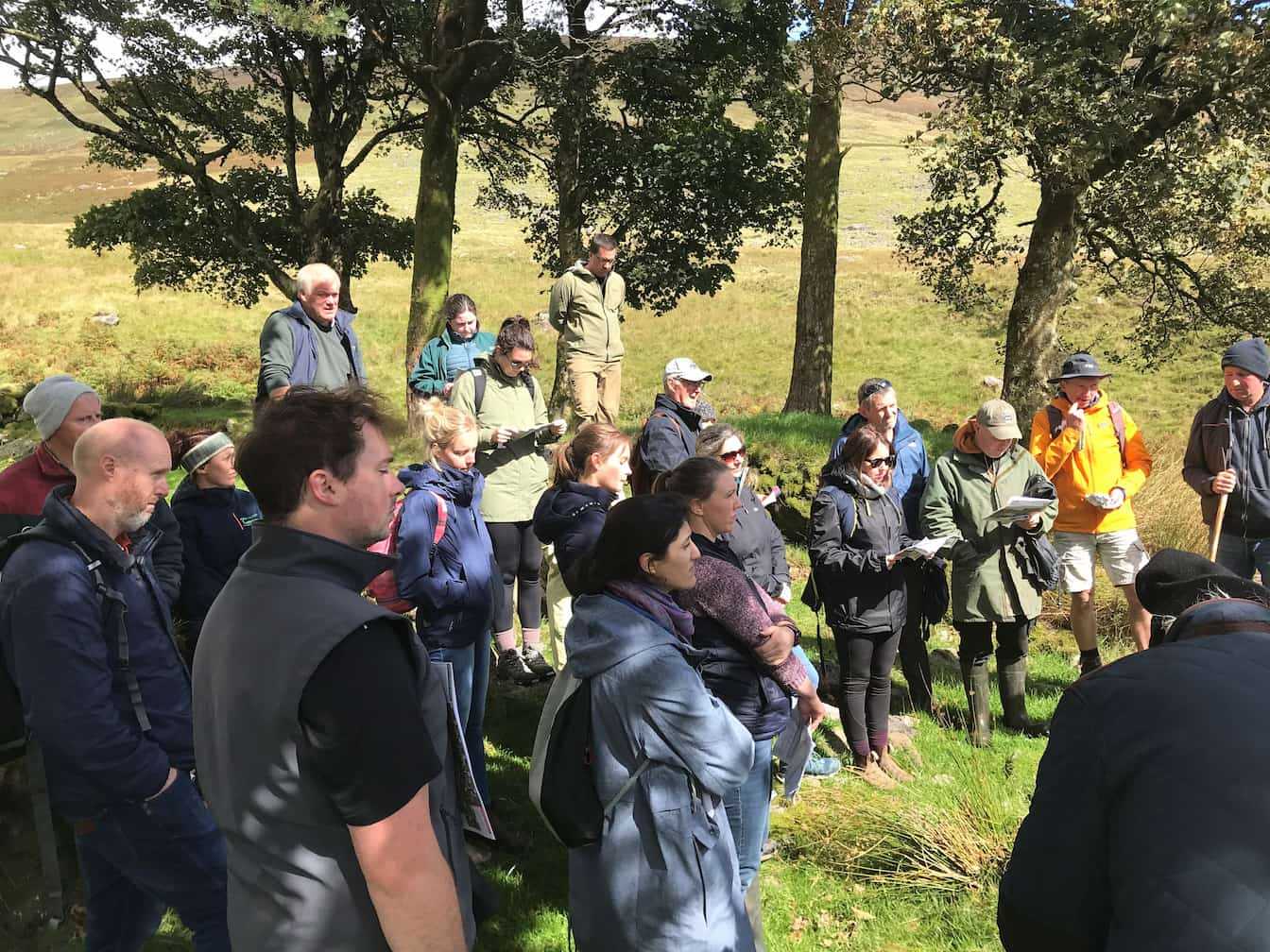
Participants explored the central question: how can we strike the balance between protecting biodiversity and supporting thriving farming communities?
Conversations focused on:
- practical, farm-level actions that enhance habitats without undermining viability
- the role of evidence and co-design in shaping workable agri-environment measures
- ways SETU researchers and other stakeholder organisations could partner with farmers and agencies to trial and evaluate solutions
- opportunities for knowledge exchange that respects lived experience and supports long-term stewardship
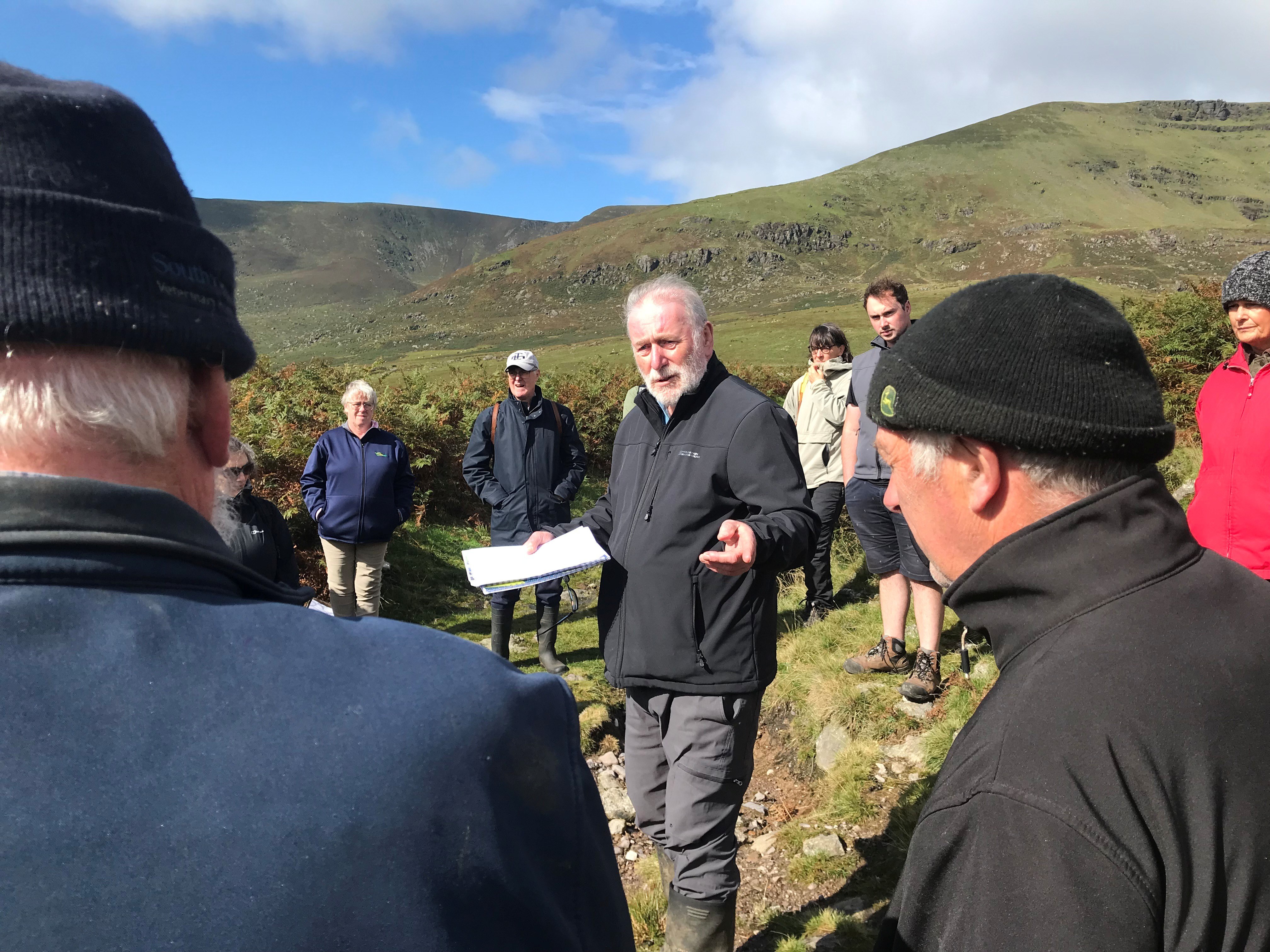
“The meeting with the Waterford Hill Farmers, held as part of the SETU Biodiversity and Sustainability Forum, was incredibly valuable. We heard directly from local farmers whose families have been working the land in the Comeragh Mountains for generations.
It is essential that our future graduates are informed about, and understand, the challenges faced by rural communities, particularly in balancing traditional farming practices with modern legislation. Generational renewal remains a significant concern in the Comeragh region, and we look forward to welcoming representatives from the Waterford Hill Farmers to SETU to engage directly with our students.”
Eleanor Kent, Head of Department of Land Sciences at SETU.
Next steps - collaborative projects
Insights from the forum will inform SETU’s ongoing engagement with partners across the region. The university will explore collaborative projects that bring together farmers, researchers and agencies to test scalable approaches in HNV areas, with clear metrics for biodiversity and socio-economic impact.
Acknowledgements
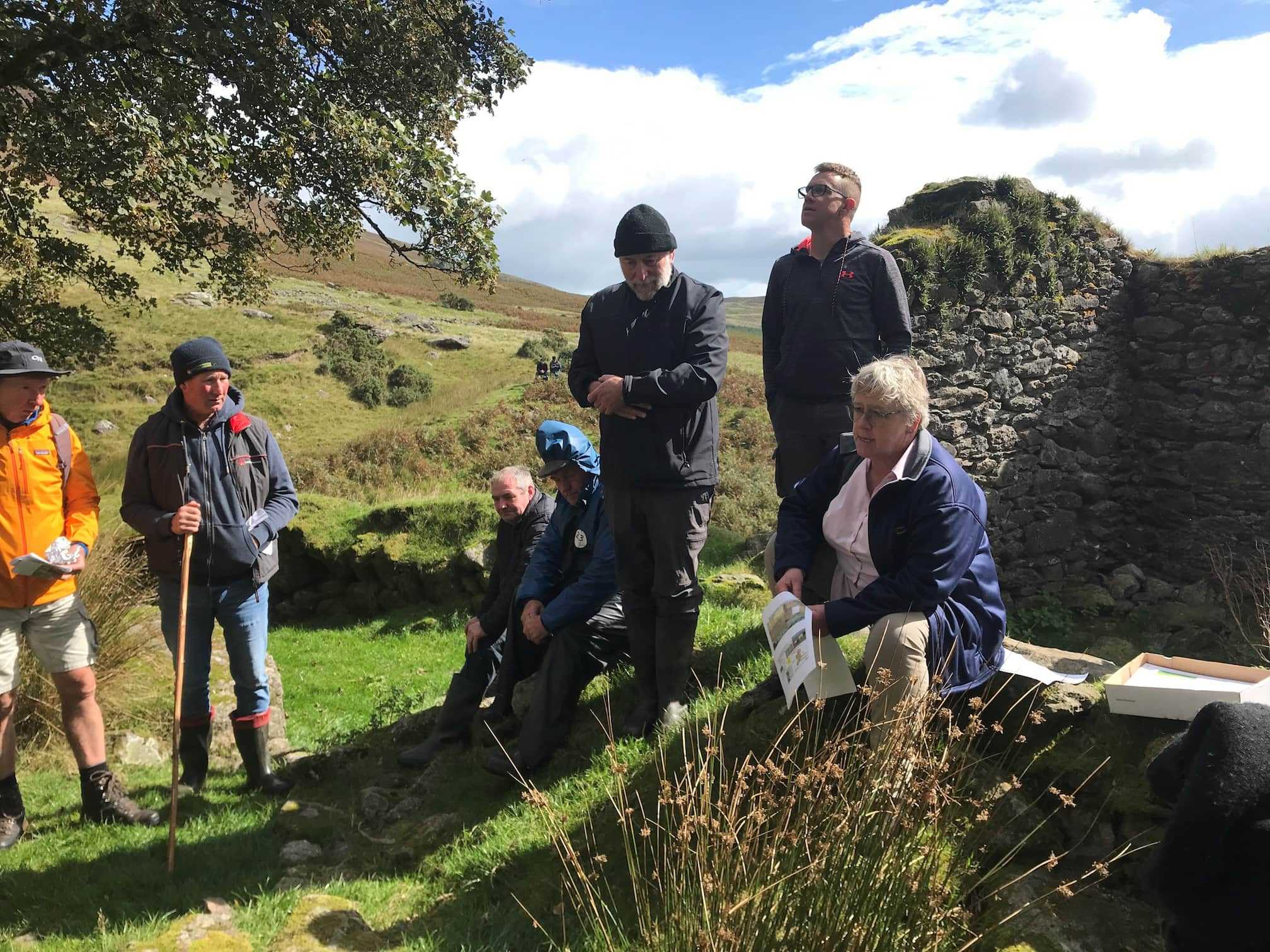
SETU extends sincere thanks to the Teagasc Waterford Hill Sheep Discussion Group, forum facilitators, and all contributors for an open, constructive discussion in the Comeraghs.
About the Waterford Hill Sheep Farmers Discussion Group
The Waterford Hill Sheep Farmers Discussion Group was set up in 1999 and today has 17 members. It gives farmers a forum to share experiences, learn from advisory services and research, and improve their practices through peer-to-peer learning. The group began with a focus on producing light hill lamb but has since broadened its work to include biodiversity and other ecosystem services. In 2022, it secured an EIP project on Farming and Community Biodiversity and also received Waterford City and County Council funding to run school education trips.
The DG's emerging vision is for the Comeragh Mountains to support a healthy ecosystem, benefiting nature, farmers, their families, the next generation, and ensuring safe, welcoming access for the local community and visitors.