


SETU, in collaboration with Afri (Action from Ireland), hosted Féile na Beatha, marking over a decade of remembrance, reflection and engagement with Ireland’s history.
Bringing together social care students, Afri, and members of the university and local community, the event commemorated those who died during the Great Famine. The programme honoured the legacy of ‘An Gorta Mór’ while encouraging dialogue on injustice, inequality and individual responsibility through talks, music and participatory activities that supported learning, reflection and engagement.
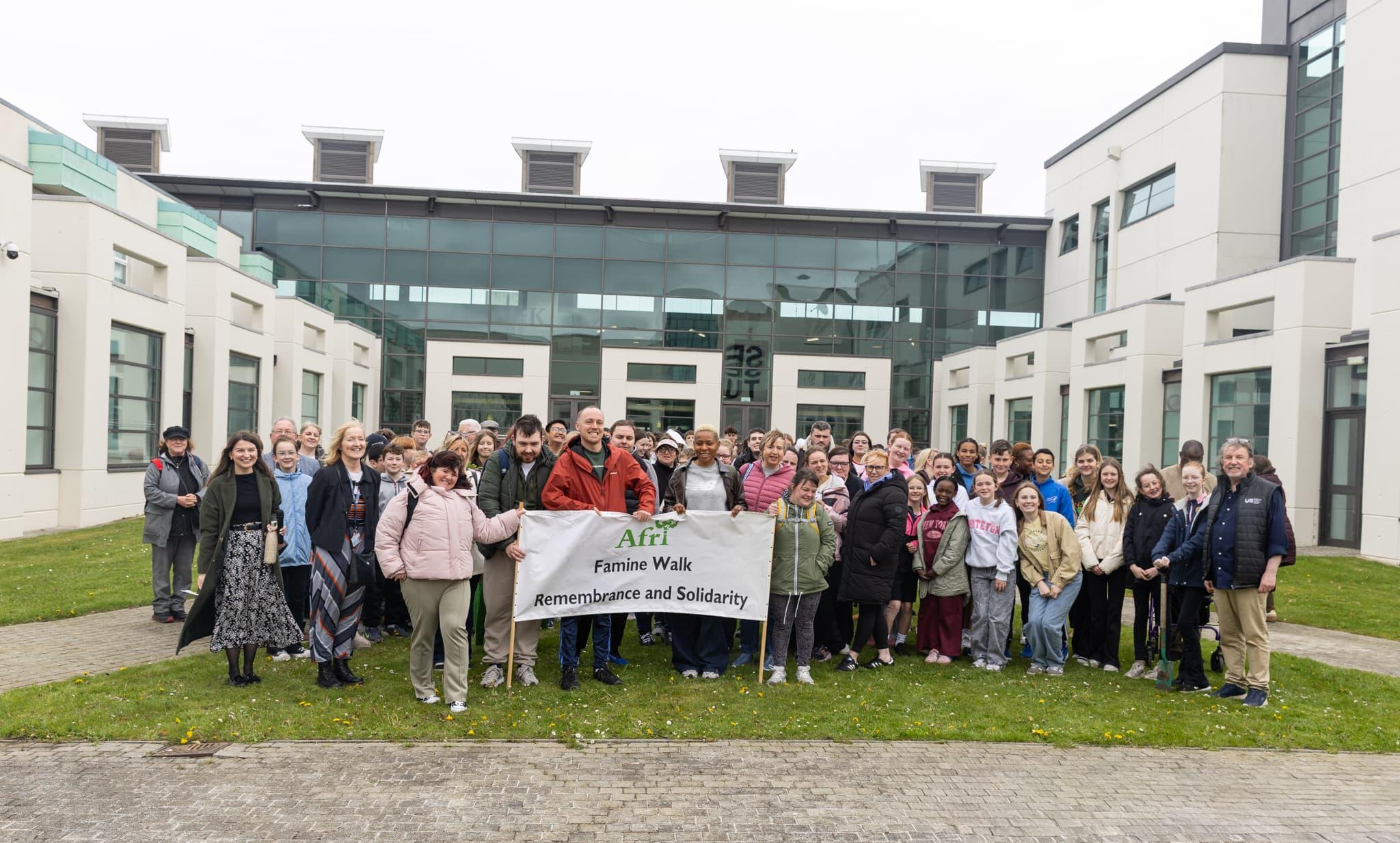
Opening reflection and commemorative walk
A key part of the festival was the commemorative walk to the Famine Graveyard, the final resting place of over 3,000 people who lost their lives during the Great Famine. The event was opened by Paula Mulroe, Head of Department of Humanities at SETU, highlighted the significance of a social care programme on the grounds of the Carlow Union Workhouse.
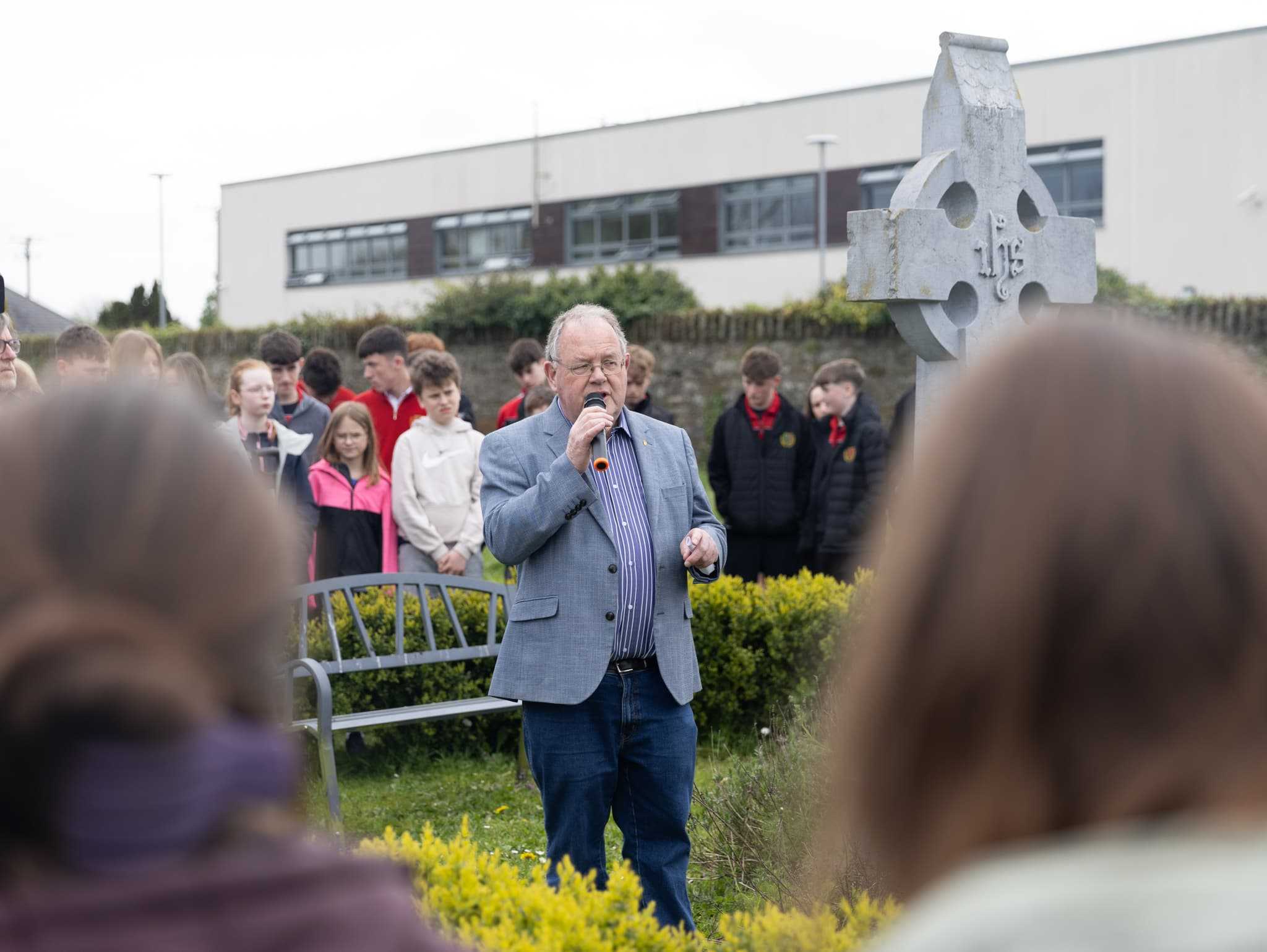
At the Famine Graveyard, a commemoration led by Padraig Dooley, former President of the Carlow Historical and Archaeological Society, honoured those affected by the Great Famine. Andrew Shanley and Pamela Travers from Delta Centre read the names of girls sent from Carlow to Australia under the 'Earl Grey Scheme', while students paid tribute to them. First-year social care students, together with guests from the Delta Centre Carlow and others, performed An Gorta Mór, a song that powerfully expressed the meaning of the event.
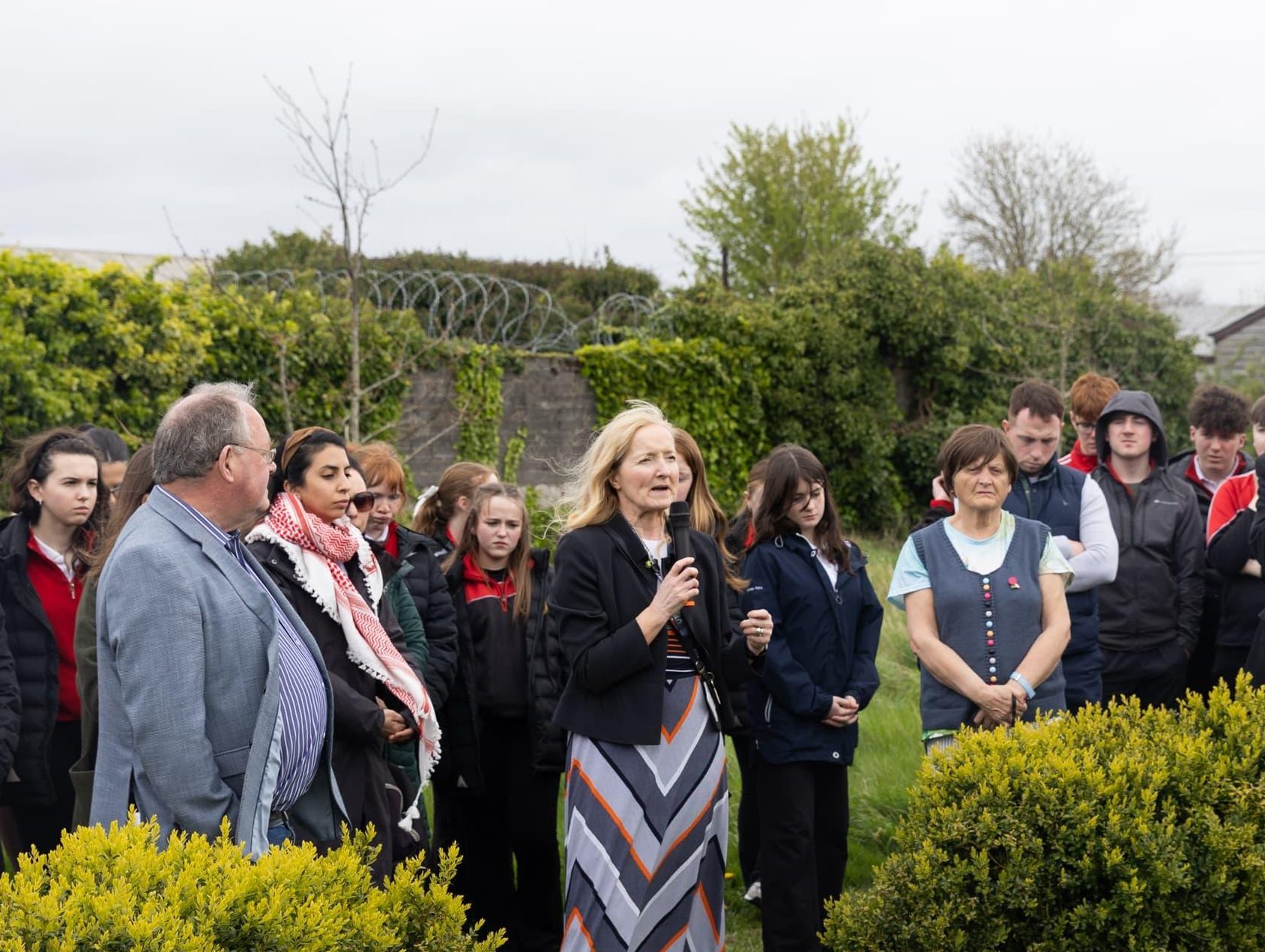
“The Great Hunger speaks of deep loss, but also of resilience and care, where communities supported one another in hardship. That same spirit lives on in social care today, in every act of dignity, empathy and solidarity. As social care students and educators in SETU, we stand on ground shaped by resilience, compassion and community, where survival was made possible through people supporting one another in the face of overwhelming hardship.”
Dr Denise Lyons Social Care lecturer at SETU
Honouring the past through art
The second half of the event featured artwork from Delta Center Carlow students, who presented a photographic project remembering the 'Earl Grey Scheme' girls from Carlow and Laois who were sent from the workhouse to British colonies. The project was facilitated by local artist Jim Donnelly, whose work on the Great Hunger was also on display as part of the Féile. In preparation for the Féile, social care students and Delta Hanover learners took part in weekly shared activities, which became a highlight of the programme.
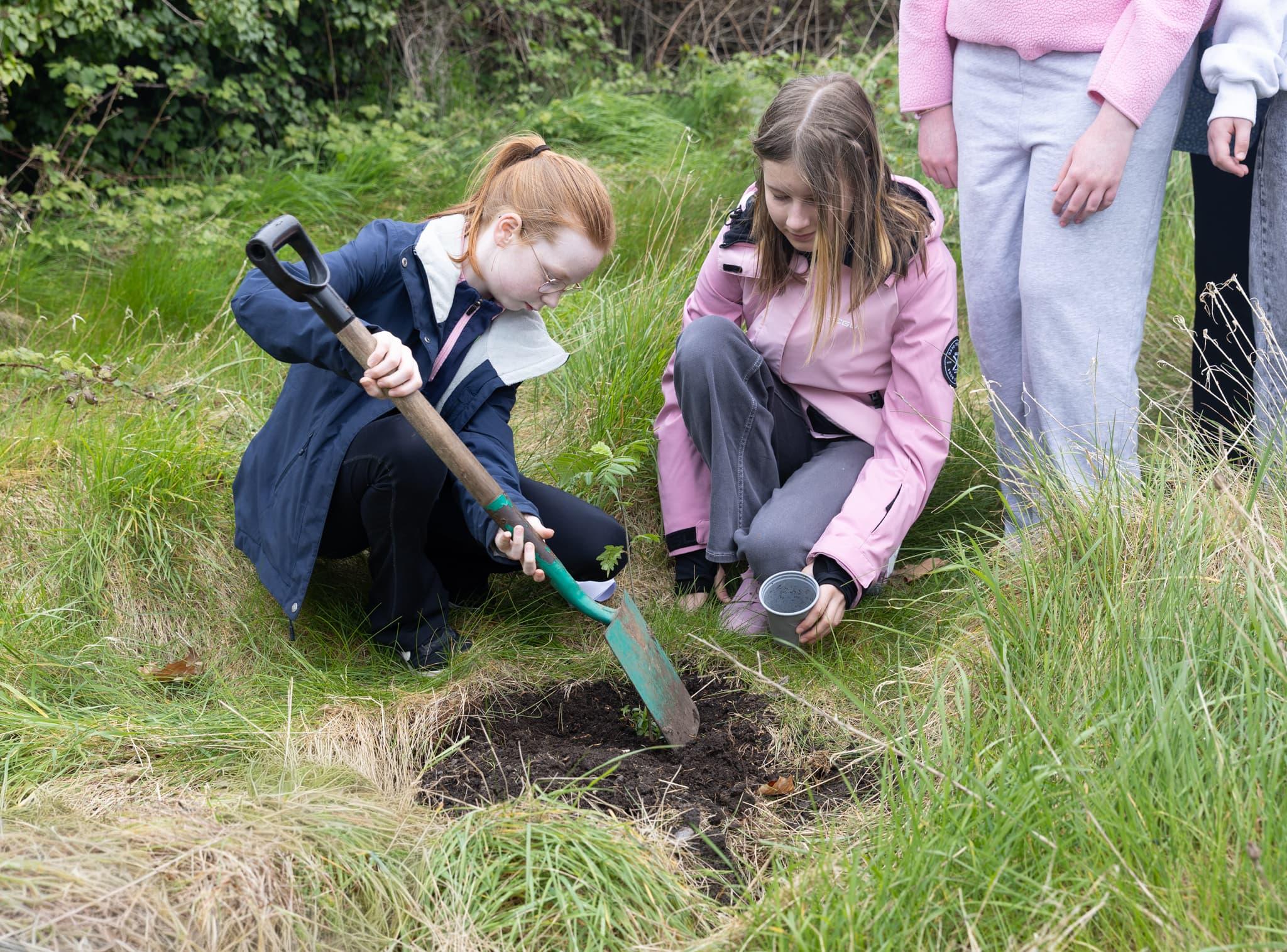
A continuing impact
The event concluded with a reflection session, where attendees explored key themes and the link between history, active citizenship, solidarity and hope. The day ended with music, shared thanks and a renewed sense of collective responsibility. Féile na Beatha remains a key part of the SETU calendar, honouring the past while engaging with the present.