

SETU collaborated with Rosslare Europort to launch a Living Lab, marking a significant milestone in the southeast's efforts to advance maritime decarbonisation, strengthen regional innovation, and accelerate sustainability-led learning across the region.
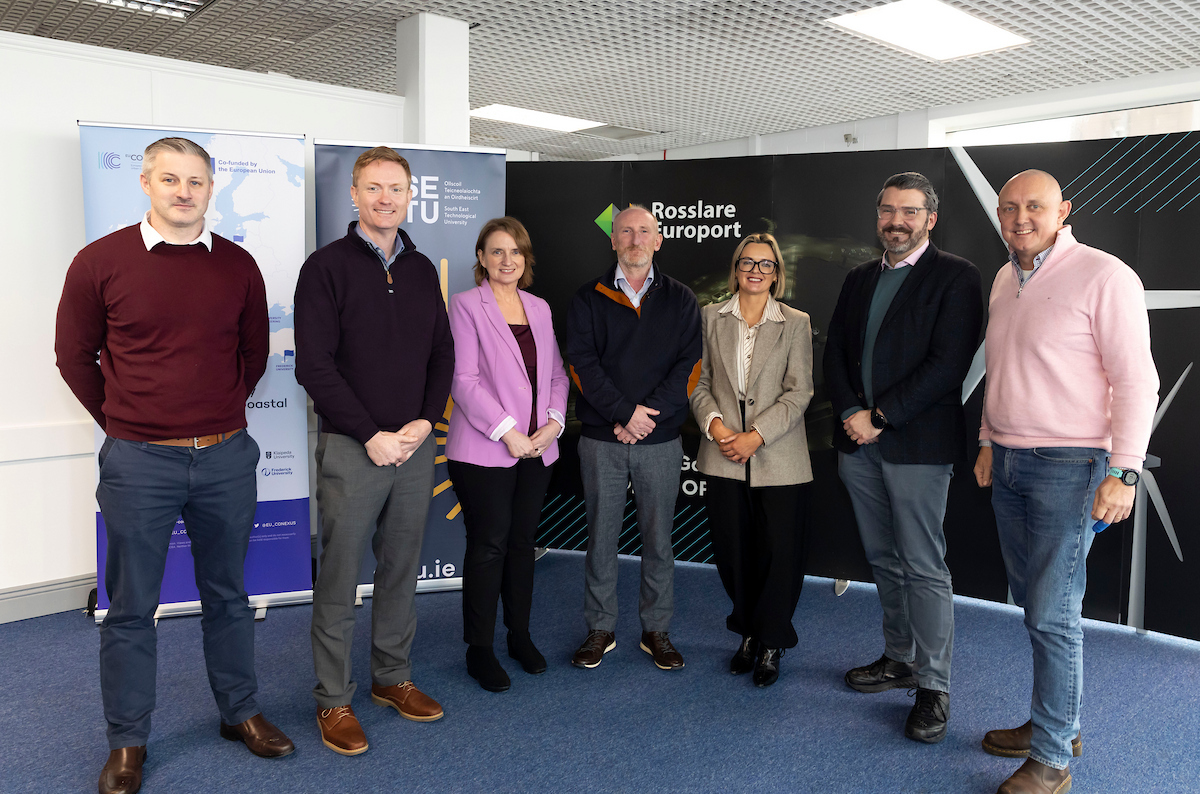
The initiative brings together students, staff, and a wide network of industry and community partners to co-create solutions to one of the most urgent challenges of our time: the transition to clean, low-carbon port and maritime systems.
Connecting education, enterprise, and place
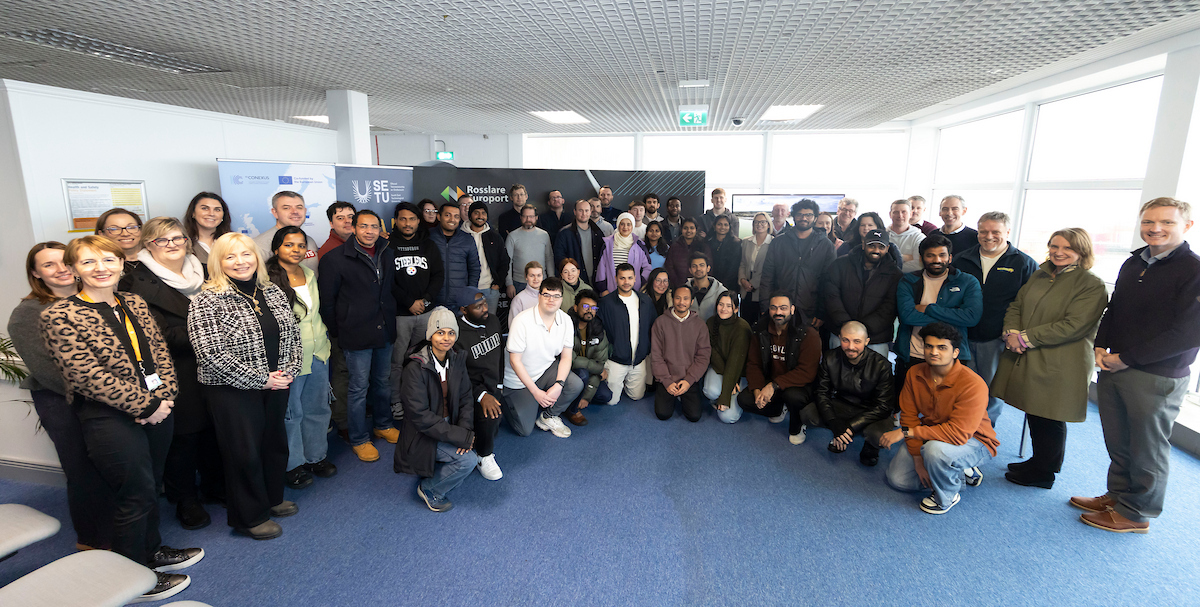
The Living Lab, now in its second year of collaboration with Rosslare Europort, is part of SETU’s commitment to challenge led learning. It engages students from across business, engineering, supply chain management and cybersecurity programmes, supported by a multidisciplinary team of staff and lecturers. This year’s initiative was developed by Michelle Maher, Derek Sinnott, and Margaret Tynan from SETU alongside industry partners: John Murphy, Head of Sustainability, Rosslare Europort; Conall Bolger, CEO, Trifecta; Alan Wyley, Energy Cloud and Séamus Ryan, ESB Group.
Focus on port electrification and maritime sustainability
Globally, ports are becoming central players in the clean energy transition. As vessels electrify and new fuels emerge, ports such as Rosslare Europort are positioned as future green energy hubs. The Living Lab’s programme included a morning site exploration to build understanding of port operations, energy use, and long-term sustainability planning and, in the afternoon, a design sprint was held where students developed “How might we…?” questions to identify opportunities for innovation and system-wide benefit.
A European dimension through EU-CONEXUS
The Living Lab is informed by SETU’s involvement in EU-CONEXUS, a European alliance focused on smart coastal sustainability. Last year’s Rosslare project won the overall EU-CONEXUS Student Research Hub award, recognising the impact of the model. Future iterations will expand into a virtual international programme, connecting SETU students with peers across Europe to address shared challenges such as energy security, coastal resilience, and climate adaptation.