Programme Overview
The BA (Hons) in Public Relations and Media is a four-year Level 8 degree designed to prepare students for dynamic careers across communications, digital media, and public relations. Public Relations plays a vital role in managing how organizations communicate with the public, while media platforms serve as powerful messengers that shape perception and culture. Tailored for creative storytellers with strong interpersonal skills, the course teaches students how to harness personal influence and modern media technologies to craft compelling narratives, manage reputations, and persuade diverse audiences.
Practical Learning & Studio Facilities
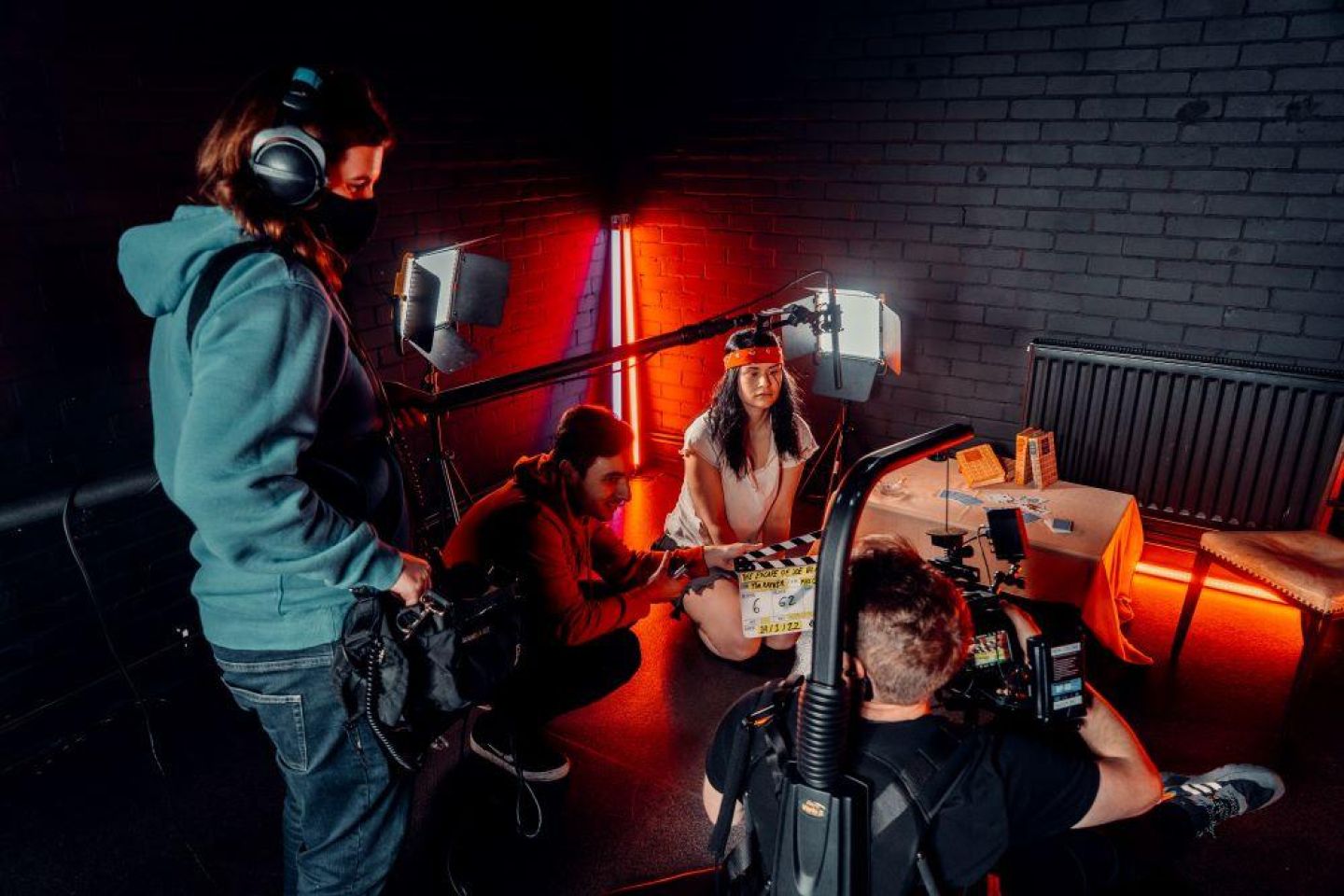
The programme emphasizes a hands-on approach to media creation, giving students direct experience in storytelling across digital and traditional media formats. Learning takes place in state-of-the-art production environments, supported by industry-experienced lecturers:
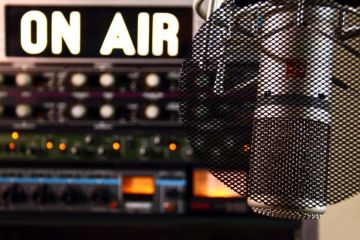
- Modern Television & Radio Studios: Producing broadcast-quality audio and video content using industry-standard media equipment.
- Digital Content Creation: Developing practical skills in photography, video editing, digital graphic design, journalism, podcasting, and social media content strategy (including platforms like Instagram, TikTok, and X/Twitter).
- Industry Engagement: Working on practical PR campaigns, crisis communication scenarios, and strategic media projects relevant to business, politics, and creative industries.
Coursework
The four-year curriculum integrates theoretical communication concepts with practical media production skills:
- Public Relations & Strategic Communication: Campaign planning, reputation management, media relations, crisis communications, and audience persuasion.
- Digital Media Production: Practical training in video editing, photography, podcasting, visual design, and social media platform management.
- Media Studies & Journalism: Analysing media theory, news gathering, media writing, ethics, and the socio-political impact of mass media.
- Media & Business Strategy: Understanding how commercial, political, and cultural organizations engage with public audiences locally and globally.
Career Opportunities
Graduates gain industry-ready skills that open wide-ranging career pathways across public relations agencies, media networks, corporate communication teams, and creative industries:
- Public Relations Executive & Account Manager
- Digital Media Creator & Video Editor
- Social Media Manager & Communications Specialist
- Corporate Communications Officer
- Media Strategist & Content Marketer
- Press Officer & Public Affairs Coordinator
- Postgraduate Study in Media, Journalism, or Strategic Communications
Upon completion of the four-year degree, graduates possess the professional portfolio, technical mastery, and strategic vision required to lead impactful media campaigns and manage organizational communication in a digital-first world.
Year 1
| Semester 1 | Semester 2 |
|---|---|
| Introduction to Digital Marketing (M) | Management 2 (M) |
| Introduction and History of Public Relations (M) | Social Media Marketing (M) |
| Management 1 (M) | Theories and Best Ethical Practice in Public Relations (M) |
| Professional Writing and Research in the Digital Age (M) | Social Phychology (M) |
| Introduction to Media Studies 1 (M) | Introduction to Media Studies 2 (M) |
| Introduction to Information Technology (M) | Applied Information Technology (M) |
M is a mandatory subject - E is an elective subject
Year 2
| Semester 3 | Semester 4 |
|---|---|
| Visual Language and Communications (M) | Fundamentals of Media and Public Relations Law 2 (M) |
| Fundamentals of Media and Public Relations Law 1 (M) | Information Technology and New Media (M) |
| Fundamentals of Marketing (M) | Contemporary Marketing Practice (M) |
| Public Relations Research and Evaluation (M) | Creative Radio and Storytelling (M) |
| Creative Video (M) | Specialist Areas in Public Relations (M) |
M is a mandatory subject - E is an elective subject
Year 3
| Semester 5 | Semester 6 |
|---|---|
| Contemporary Communication Design (M) | Work Placement (E) |
| Content Writing (M) | Study Semester Abraod (E) |
| New Ethics Media (M) | Corporate Social Responsibility (E) |
| Network in Public Relations (M) | Marketing for Services (E) |
| Journalism (M) | New Product Innovation (E) |
| Public Relations and Internship Project (E) |
M is a mandatory subject - E is an elective subject
Year 4
| Semester 7 | Semester 8 |
|---|---|
| Contemporary Irish Literature (M) | Media and Society (M) |
| Digital Marketing (M) | Digital Marketing Planning (M) |
| Event Management (M) | Ireland on Screen (M) |
| Public Relations Campaign Project (M) | Lead Portfolio (M) |
| Podcasting and Multiscreen Production (M) | Dissertation (M) |
M is a mandatory subject - E is an elective subject
What are the minimum entry requirements?
- 2 Subjects: H5
- 4 Subjects: O6/H7
- English: 03/H6
What follow-on study opportunities are available?
Graduates of the Public Relations and Media Level 8 degree course have the option to progress to postgraduate studies at masters level within SETU Carlow or elsewhere.
What exemptions will I receive?
-Notes
-What will I be able to do when I finish the course?
Given the growing influence of the media and PR industries, the job opportunities in the sector are many and varied. Graduates are working in traditional media such as radio and TV; others are working as executives in media marketing careers and at advanced levels in the public relations departments of blue chip' companies and organisations.
Graduates are particularly skilled at corporate communications tasks such as web content development, crafting press releases, creating video and audio artefacts, and the management of internal and external communications.

Public Relations and Media
Here, we hear about the BA Hons in Public Relations and Media, a course which provides graduates with the knowledge and skills to step into an exciting communications career. The panel – comprising Programme Director Gregg Murphy; Senior Lecturer Pauline Flanagan; Fourth Year student Louise Dunne, and graduate Orna Whyte – outline the course structure, the modules covered, the differences (and similarities) between PR and media, and how important it is to understand both to have a career in either.
Listen on podcasts.setu.ieStories






Course question

Have a question about
this course?
Our team is here to help.
If you have any questions about this course, please get in touch and we'll be happy to assist.