Programme Overview
The Bachelor of Science (Honours) in Applied Microbiology is a four-year Level 8 degree focused on understanding how microorganisms influence human health, environmental sustainability, and industrial innovation. From diagnosing diseases and developing life-saving biological products to cleaning up environmental pollution, microbes play a vital role in modern society. Designed for curious scientists who thrive in hands-on laboratory environments, the programme provides specialized expertise across three core pillars: Diagnostic Microbiology, Environmental Microbiology, and Industrial Microbiology.
Practical Learning & Work Placement
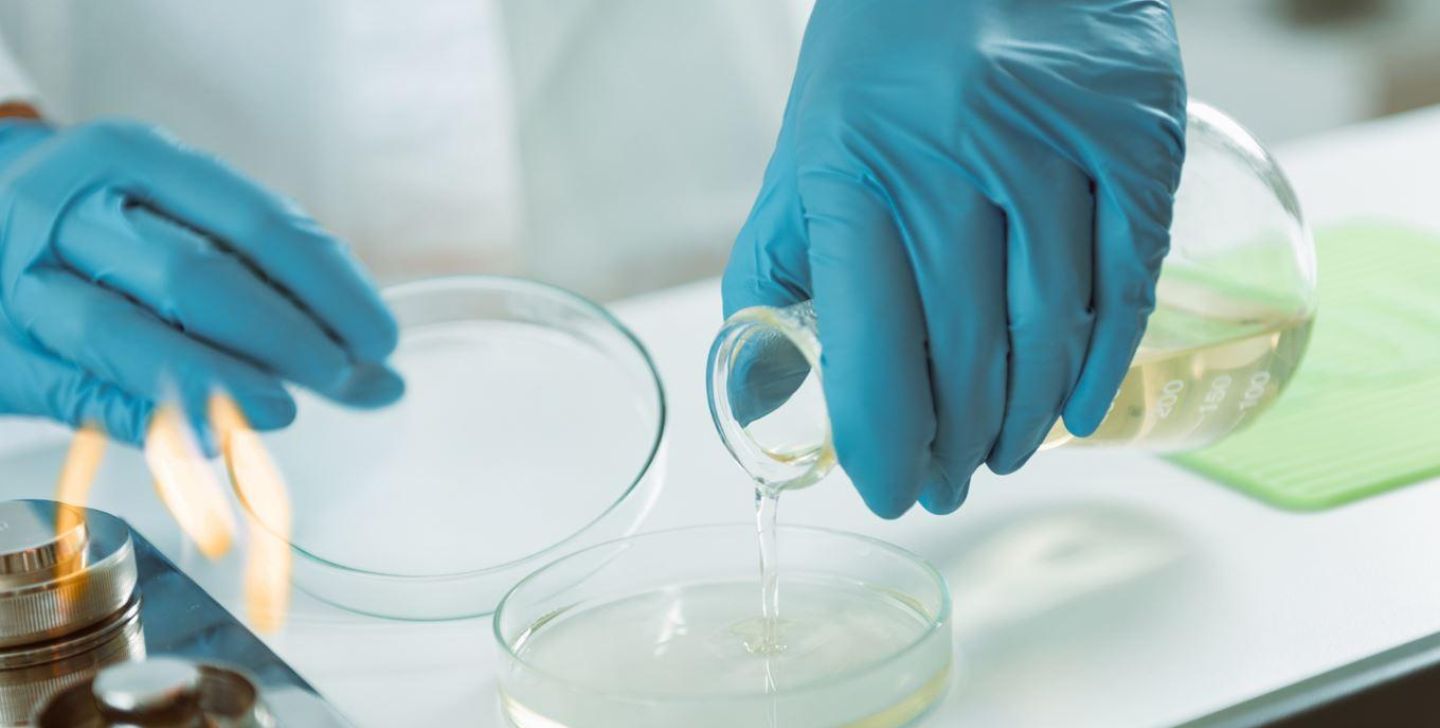
Practical laboratory training accounts for over 50% of course time, delivered in small group sizes to ensure individual guidance and equipment access. Student learning is enriched by field trips, industrial site visits, guest lectures from industry professionals, and an extensive final-year research project. A standout feature is the integrated 6-month industry work placement in Year 3 (Semester 2), which provides crucial real-world operational experience. The degree also includes flexible exit awards available at the end of each year of study.
Coursework
The four-year curriculum progresses from foundational biological science to specialized microbiological applications:
- Years 1 & 2 (Foundational Microbiology): Biology and chemistry of microorganisms, alongside specialized modules in Parasitology, Mycology, Virology, and practical training in Methods in Microbiology.
- Year 3 (Applied Diagnostics & Industry Prep): Diagnostic Microbiology, Microbiology for Pharmaceutics, Quality Management, Data Analysis, and a 6-month industry placement.
- Year 4 (Advanced Industrial Applications & Research): Advanced Environmental Microbiology, Advanced Food Microbiology, and an independent capstone research project.
Career Opportunities
Graduates hold a specialized Level 8 honours degree that opens wide-ranging technical, regulatory, and research roles across the healthcare, pharmaceutical, food, environmental, and biotechnology sectors:
- Microbiologist & Quality Control (QC) Specialist
- Medical Diagnostic & Clinical Microbiology Technician
- Environmental & Industrial Analyst
- Food Safety & Quality Assurance (QA) Officer
- Bioprocess & Pharmaceutical Microbiologist
- Postgraduate Study (Master's and PhD research degrees in Microbiology or Biotechnology)
Upon completion of the four-year degree, graduates possess the technical lab capabilities, industrial work experience, and research competence required to drive biological innovation, protect public health, or advance into postgraduate research.
Year 1
| Semester 1 | Semester 2 |
|---|---|
| Fundamental Biology | Animal and Human Biology |
| Chemistry 1 | Chemistry 2 |
| Laboratory Science | Quantitative Methods 2 |
| Quantitative Methods 1 | Physics 2 |
| Physics 1 | Current Concepts in Science |
M is a mandatory subject - E is an elective subject
Year 2
| Semester 3 | Semester 4 |
|---|---|
| Fundamentals of Microbiology 1 | Methods in Microbiology |
| Molecular Biology 1 | Fundamentals of Microbiology 2 |
| Biochemistry Biomolecules | Molecular Biology 2 |
| Instrumentation | Parasitology |
| Quantitative Methods and Quality Control 1 | Mycology and Virology |
M is a mandatory subject - E is an elective subject
Year 3
| Semester 5 | Semester 6 |
|---|---|
| Diagnostic Microbiology | Work Placement |
| Microbial Cell Factory | |
| Environmental Science | |
| Microbiology for Pharmaceutics | |
| Quality Management, Experimental Design and Data Analysis |
M is a mandatory subject - E is an elective subject
Year 4
| Semester 7 | Semester 8 |
|---|---|
| Bioinformatics and Systems Biology | Advanced Environmental Microbiology |
| Food Fermentation | Regulatory Affairs |
| Microbial Pathogenesis | Project |
| Molecular Genetics and Immunology | Current Trends in Biopharmaceutical Technology |
| Industrial Bioprocessing |
M is a mandatory subject - E is an elective subject
What are the minimum entry requirements?
Leaving Certificate:
2H5 & 4O6/H7
Subjects required:
- English or Irish at O6/H7
- Mathematics at O6/H7
What follow-on study opportunities are available?
Postgraduate study options in SETU include taught programmes for example MSc Regulatory Affairs and PhD programmes linked to our research centres of excellence including enviroCORE and in other national and international institutions.
What will I be able to do when I finish the course?
With a BSc Hons in Applied Microbiology, you'll be ready to contribute to challenges like developing and manufacturing new diagnostics and biologics, fighting antimicrobial resistance, and improving environmental sustainability. Whether you choose further study, research, or jump into careers in healthcare, biotech, or industry, this degree opens doors to exciting possibilities.